
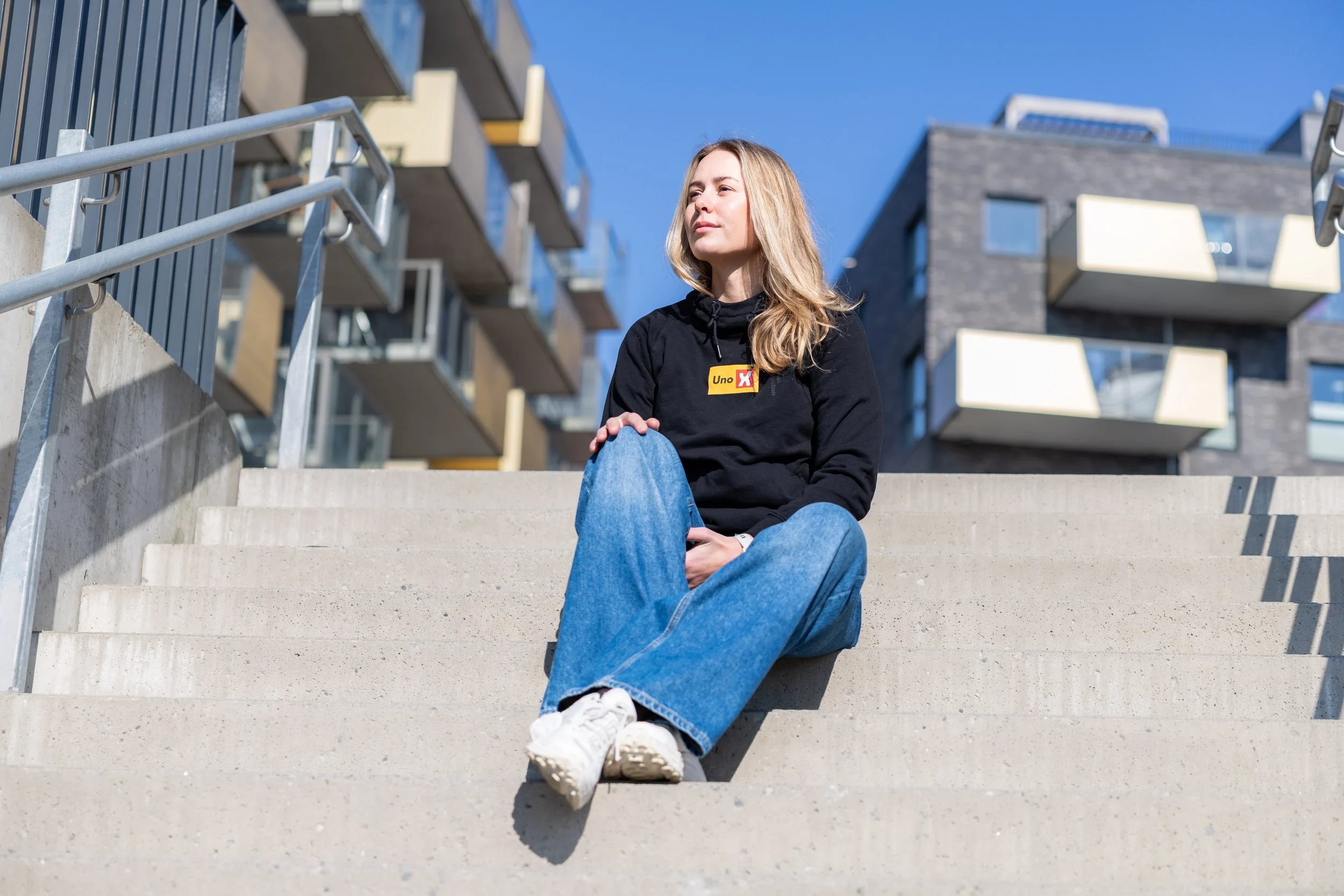
The 23-year-old from Trondheim has tried to battle the bowel disease ulcerative colitis for almost four years and has now decided to follow the doctors’ recommendation to stop cycling.
“The doctors have advised me to stop professional cycling ever since I got the diagnosis of ulcerative colitis. I have tried for years to show them that I can make this work, and I have got so much support from the team. But after this season’s opener in 2026, I understood that this couldn’t work out for me,” Ysland says.
The diagnosis, ulcerative colitis is a chronic inflammatory disease, meaning that Ysland’s body has been dealing with ongoing inflammation in the bowel throughout this period. Although medication helped manage her symptoms for a long time, it did not stop the underlying disease from progressing. Over time, the inflammation continued to increase, even while she was receiving treatment.
“For a long time, the medication worked as symptom relief. It allowed me to train and compete, and I thought I had things under control. But in reality, the disease was still developing. Eventually, the medication stopped working the way it had before, and my symptoms got worse again” Ysland says.
Couldn’t get back to top level
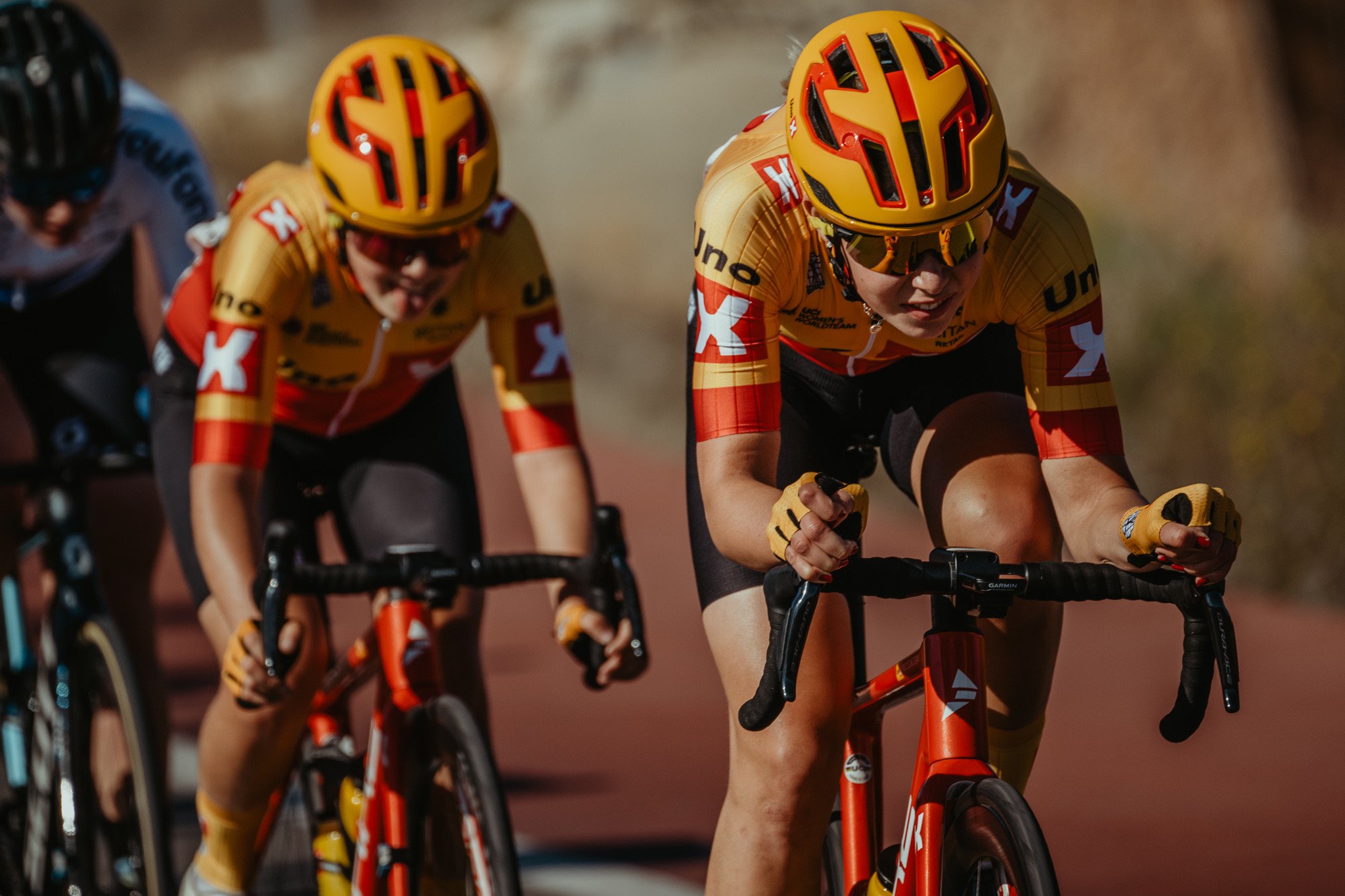
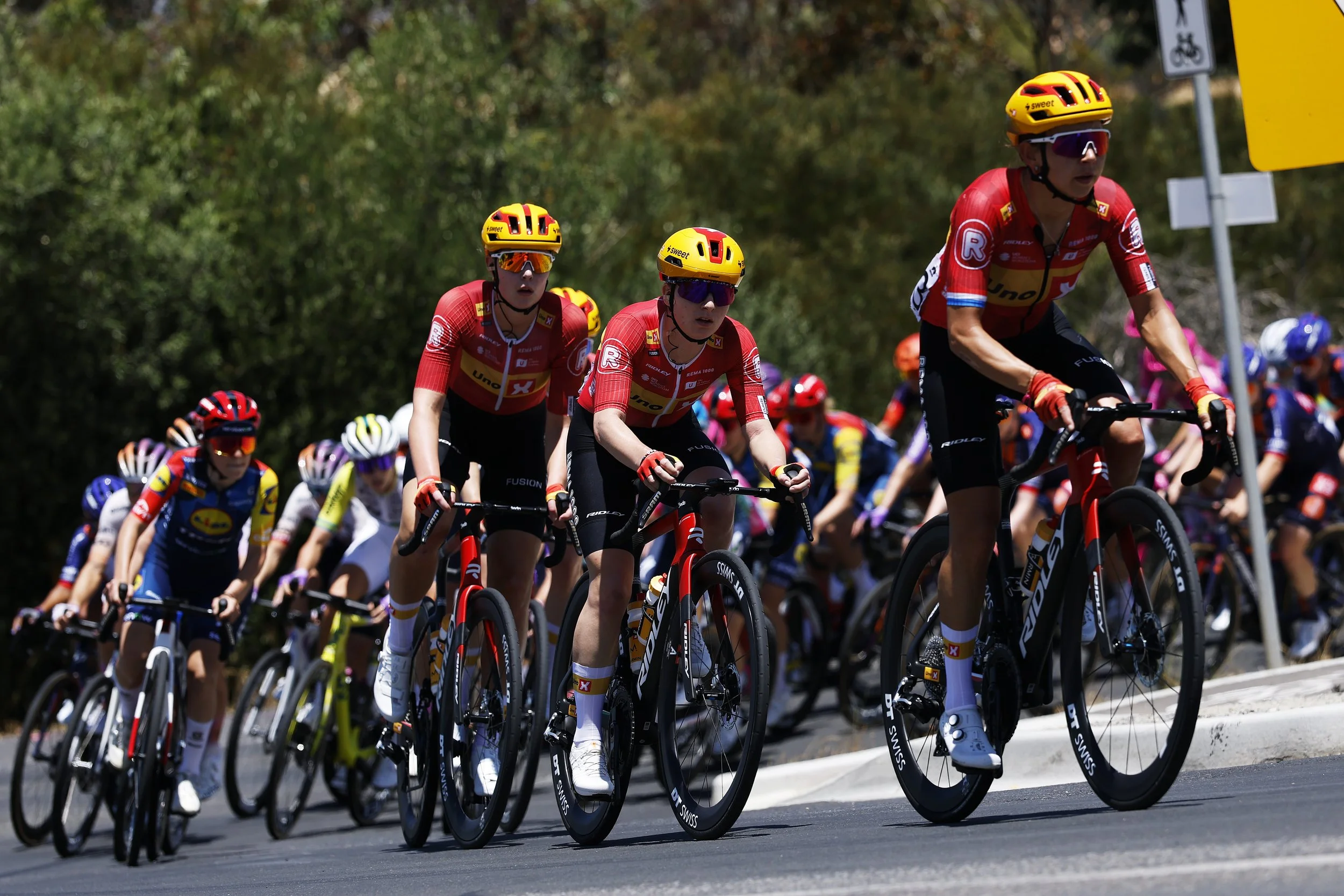
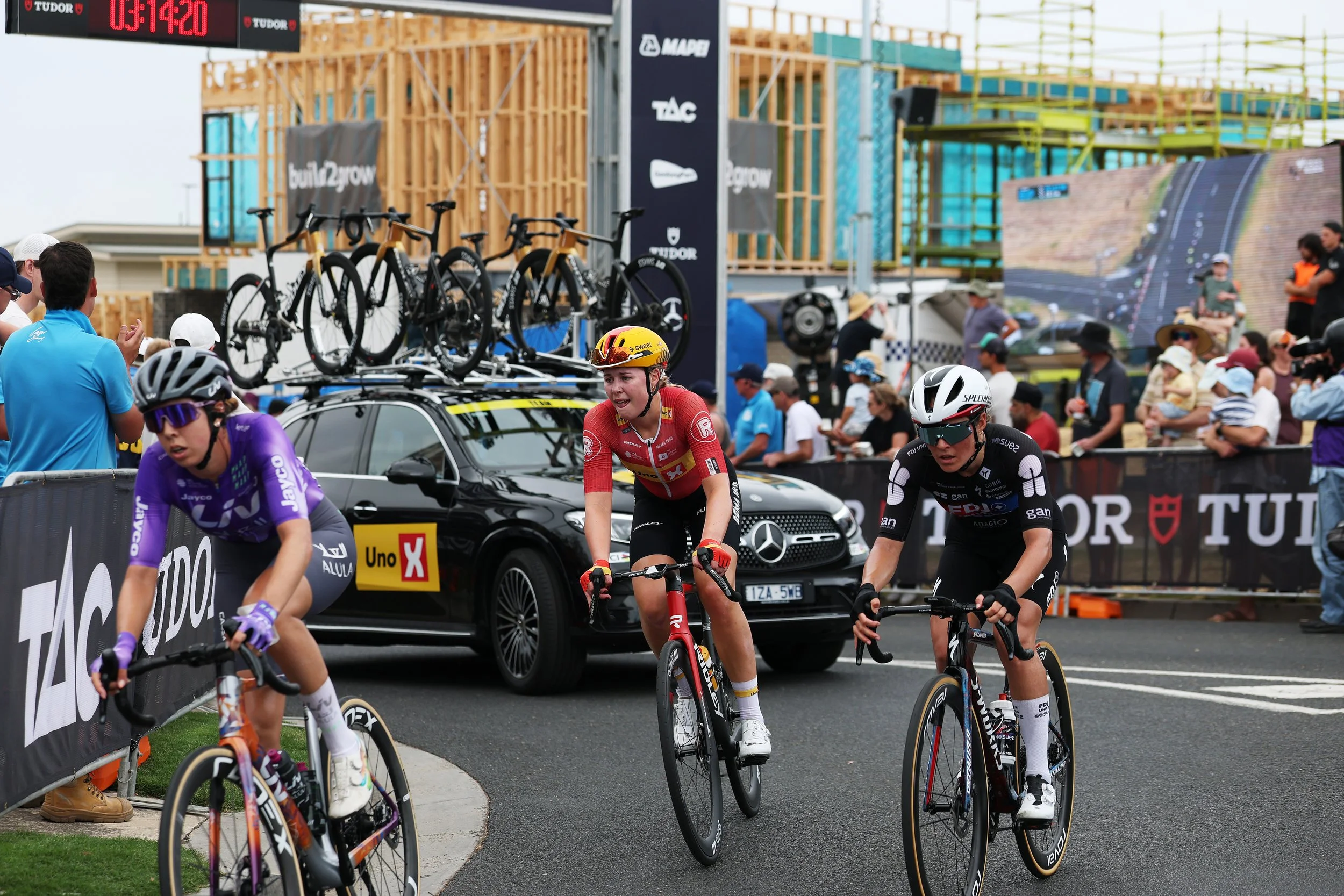
After taking a break to battle the illness for almost the entire 2023 and 2024 seasons, Ysland started working on her foundation again in 2025. This winter, she had a good training period, at least for her new health situation. Therefore, she travelled to Australia to race the season opener and to see how her form had picked up.
“I had stayed positive for so long, but the feeling of racing in Australia was horrible. Actually, I didn’t feel like I was participating at all. I had done so much work, I used all the medicine I could to avoid symptoms, but I was still one of the first riders to get dropped. I felt horrible on the training rides and even worse in the races. It was a massive blow that my body didn’t respond to the good work and the good period I had. At that point, I started to give up.”
Ysland learned that her body never fully rests as her body focuses on dealing with the most important stuff - the general health. So, when you add elite-level training hours on top of it, the symptoms got stronger. This includes stomach pain and diarrhoea with blood and hugely affects recovery, which is a big part of getting the right effect from training. Part of the treatment involves medication that suppresses the immune system, making Ysland more vulnerable and more likely to catch colds and other infections.
“After coming home from Australia, my symptoms became much worse and the medication stopped working the way it had before. Following new examinations at the hospital, I was told that the inflammation in my bowel had never been more extensive, even while on full treatment. That was a turning point for me. I realised that the medication had mainly been managing the symptoms, while the disease itself had continued to progress. When the treatment stopped working, I had no choice but to take a step back and listen to my body. This, combined with the fact that I wasn’t able to perform at the level required, I knew it was time to stop. I finally understood that I wouldn’t be able to return to my previous level.”
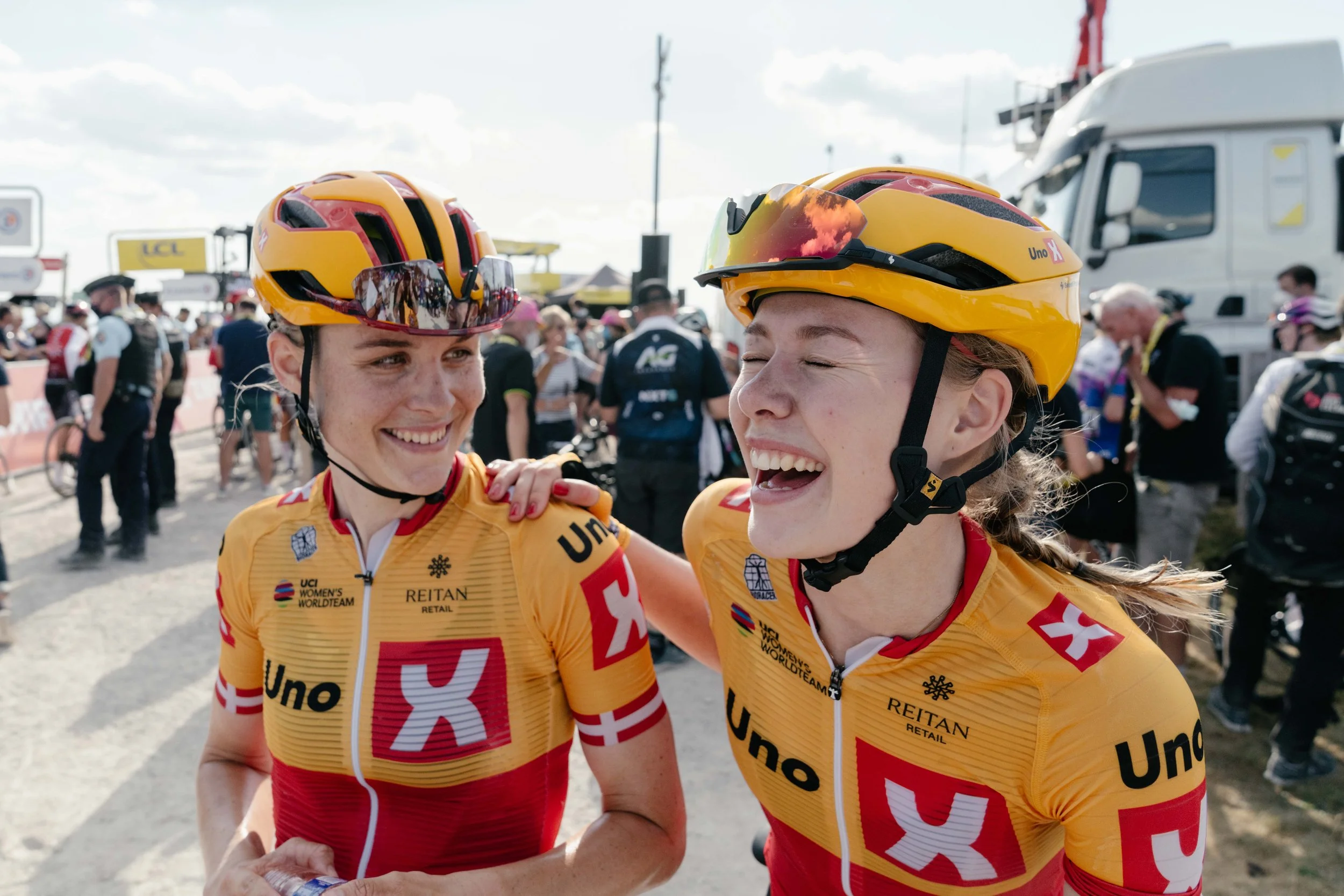
One of the biggest smiles of the peloton
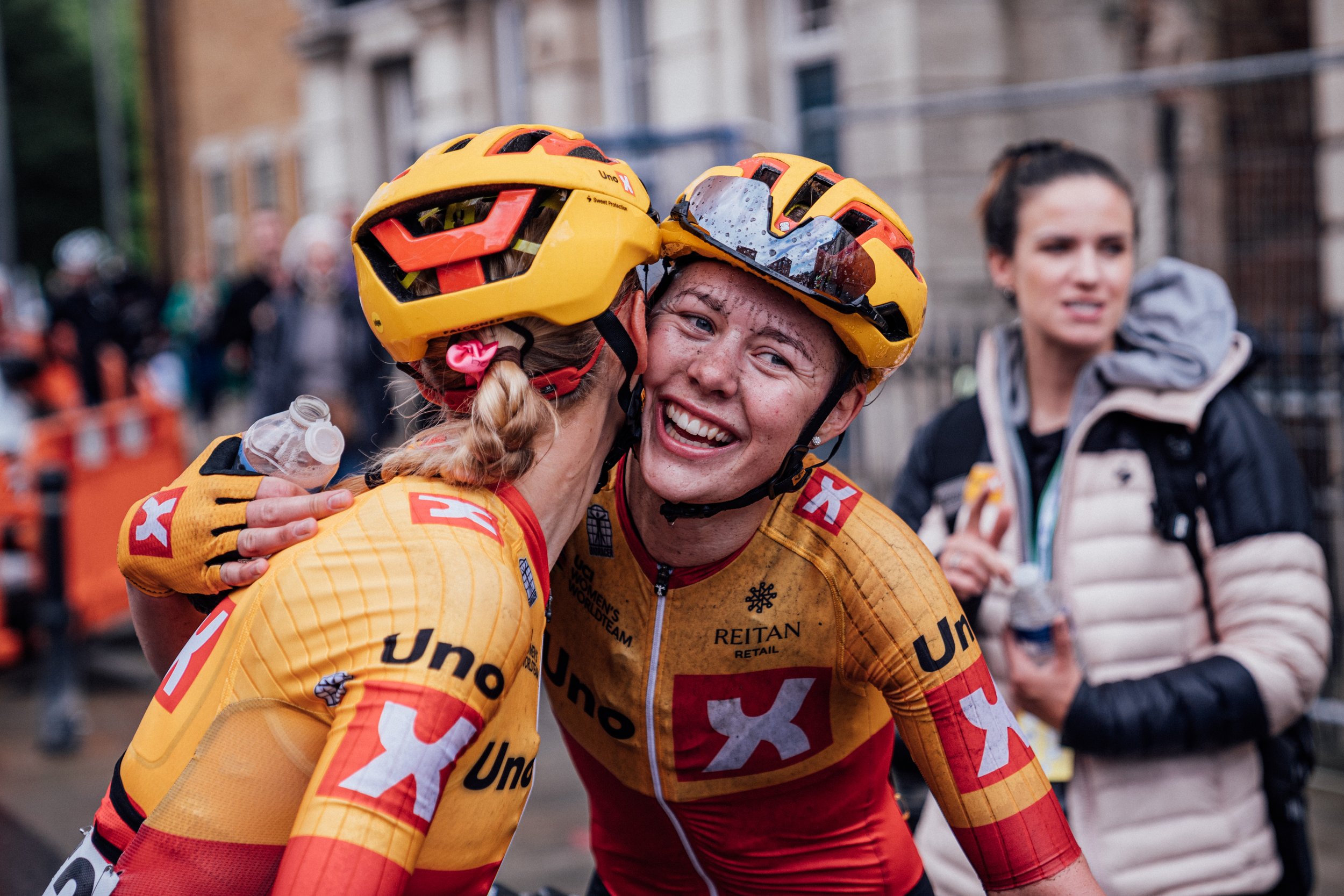
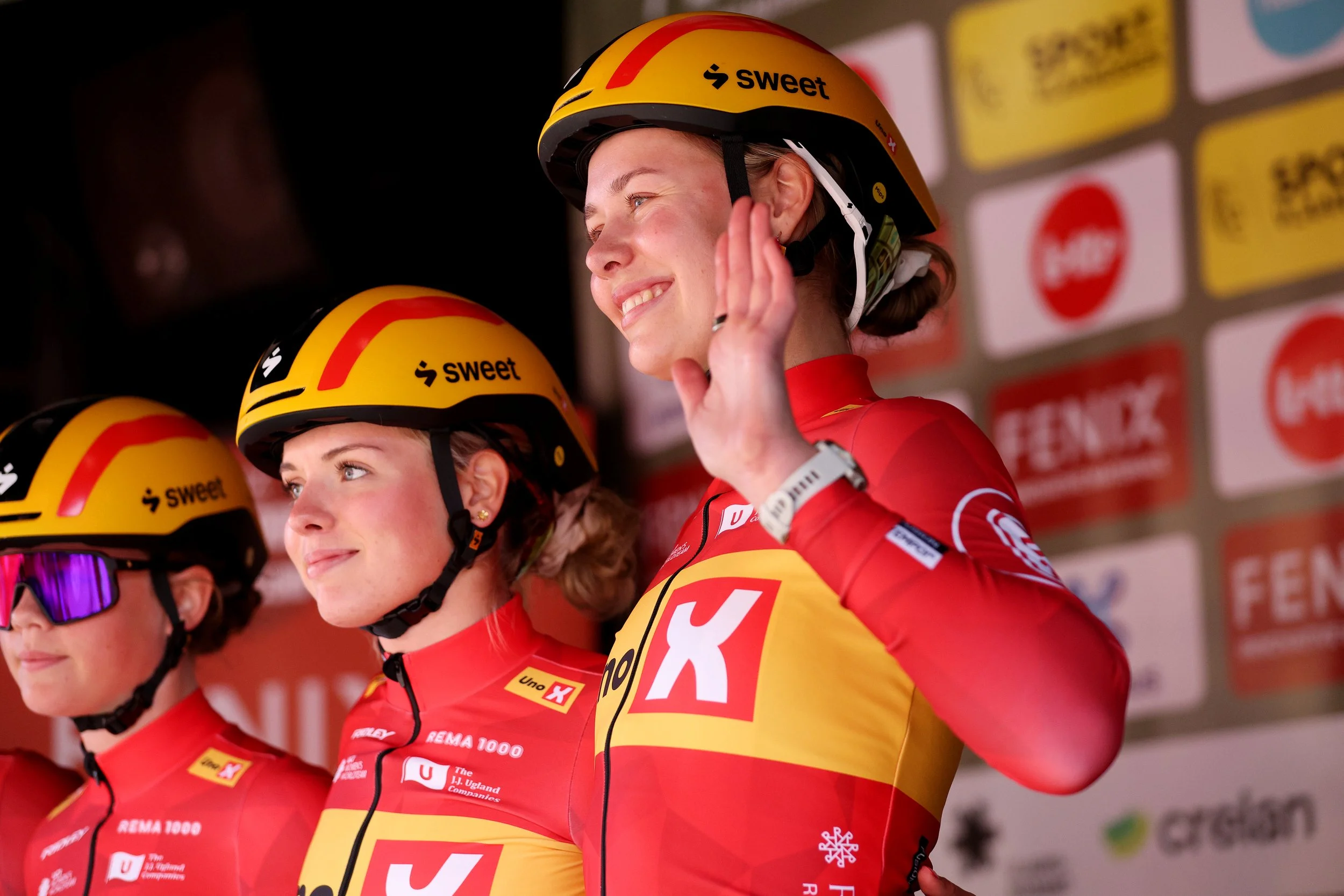
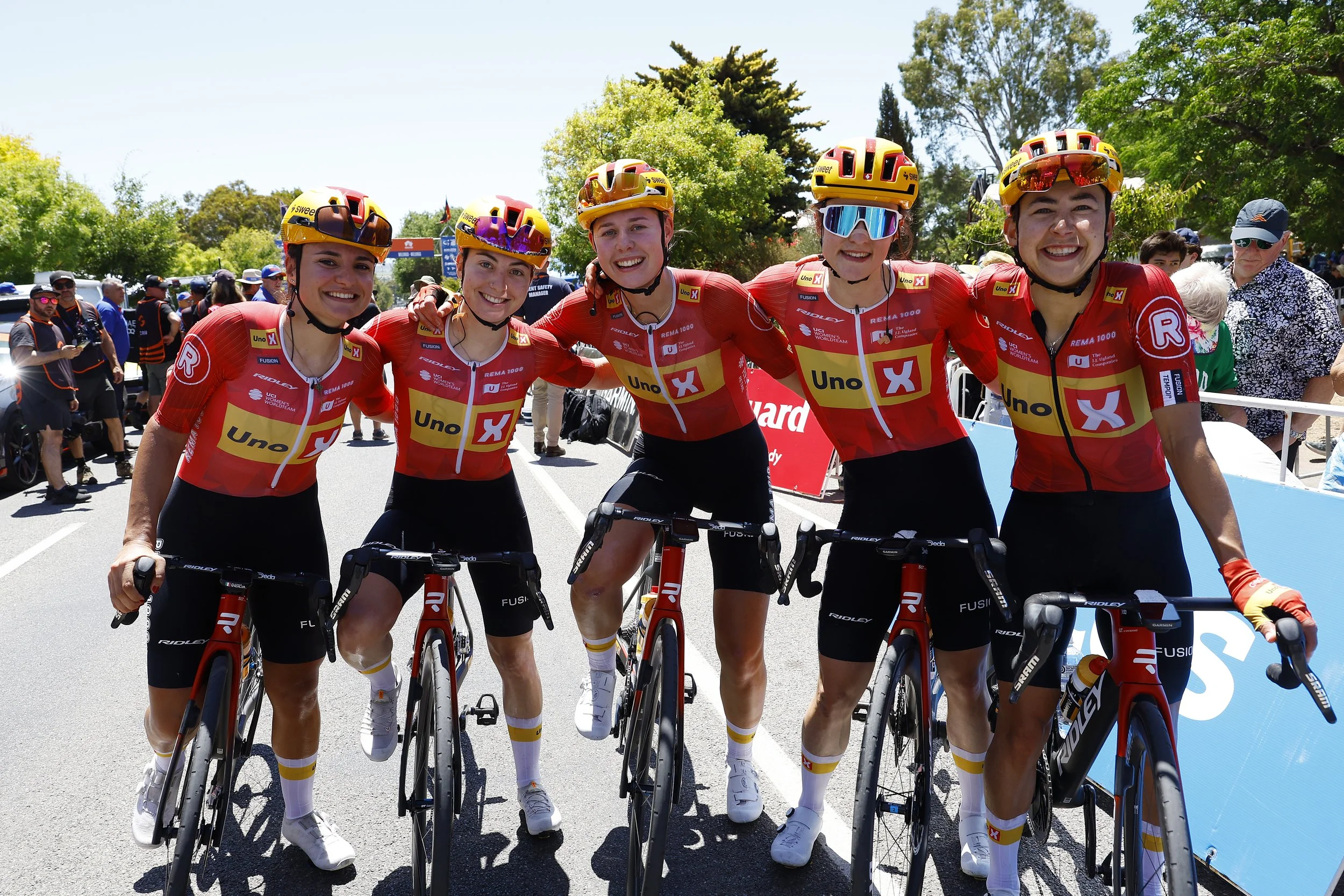
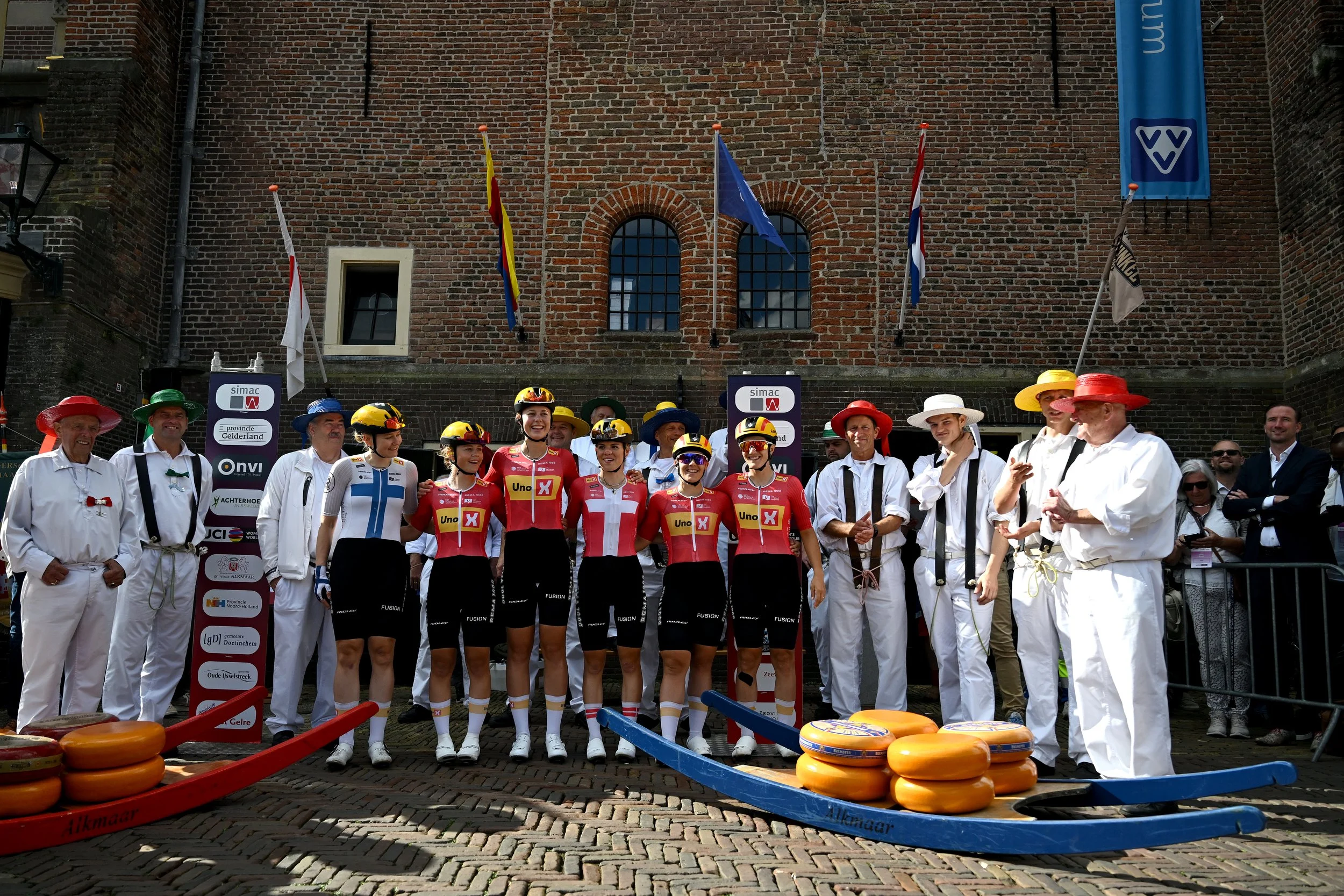
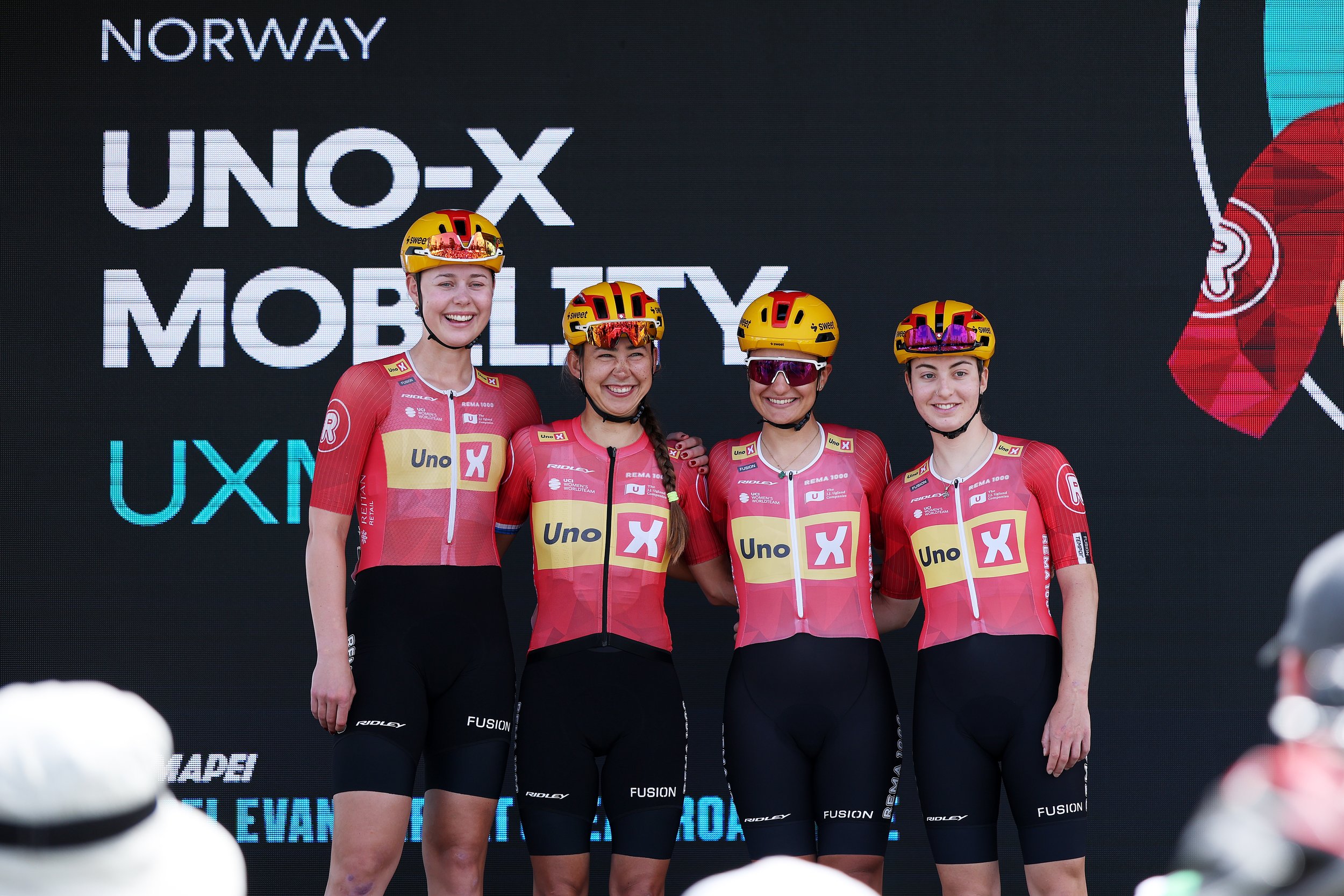
With Ysland being forced to stop racing, Uno-X Mobility Cycling is losing one of the greatest ambassadors for the way the team wants to be, and also for Reitan Retail’s strong values that we all live by. General Manager Thor Hushovd is well aware of the impact Ysland will leave behind as she steps away from racing for Uno-X.
“First of all, we really feel for Anne Dorthe here. She has truly tried everything to get back to racing, and we really wanted to help her get back to her very best. Unfortunately, her health put a stop to that, and we are very sad to lose one of women’s racing’s biggest smiles and best laughs. No matter what hit her, Anne Dorthe kept smiling and helped the team with a great attitude,” Hushovd says.
Ysland points out that even though she kept the mood strong, the last couple of years has been a real battle.
“Outwardly, I stayed positive for a long time. Even when my body was struggling, I kept telling people that things were going well. Looking back, I think I was also trying to convince myself. I didn’t want the illness to become my identity or something people constantly associated with me. I just wanted to be seen as a normal athlete again” Ysland says.
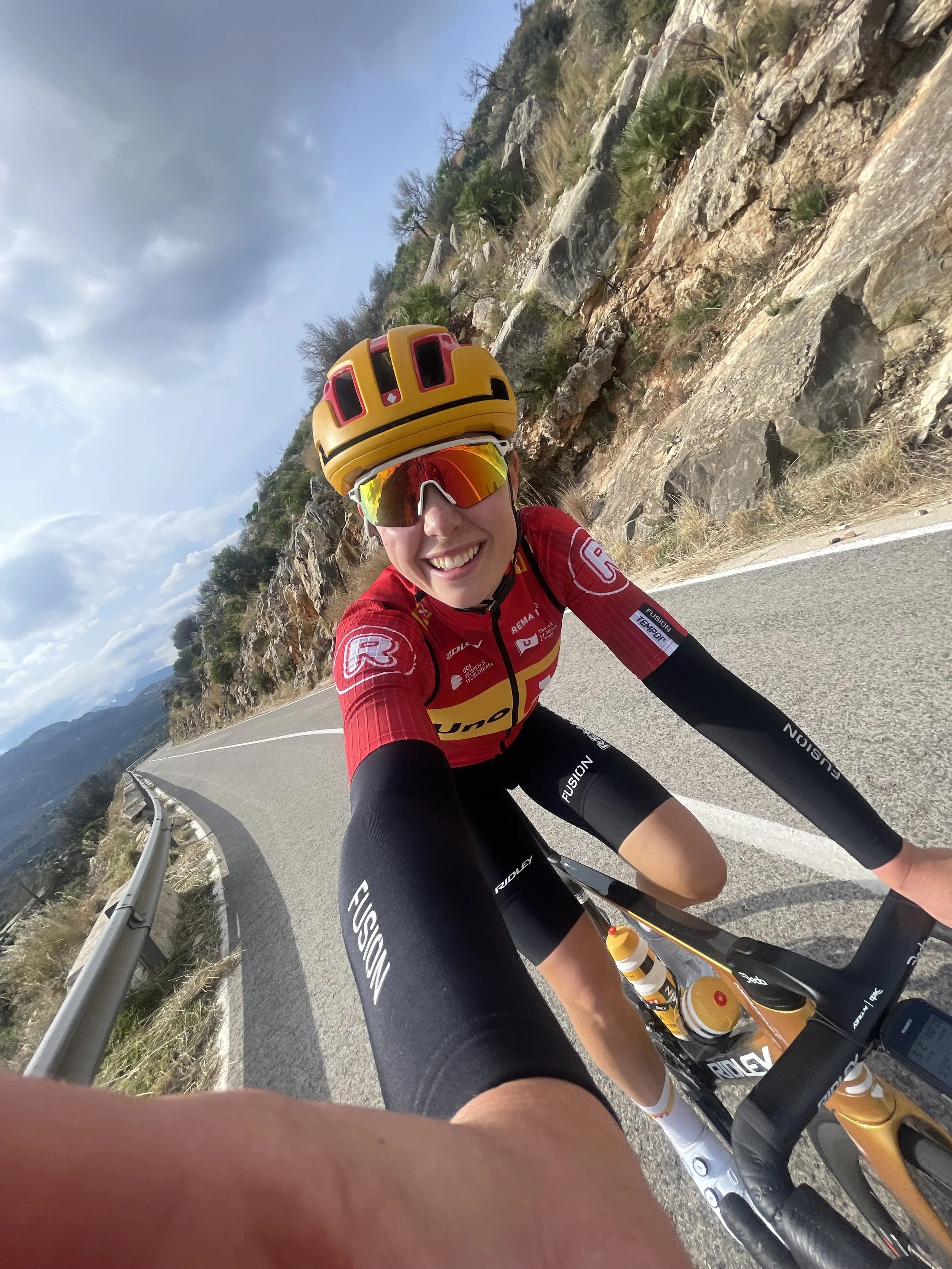
Ysland the wonderkid
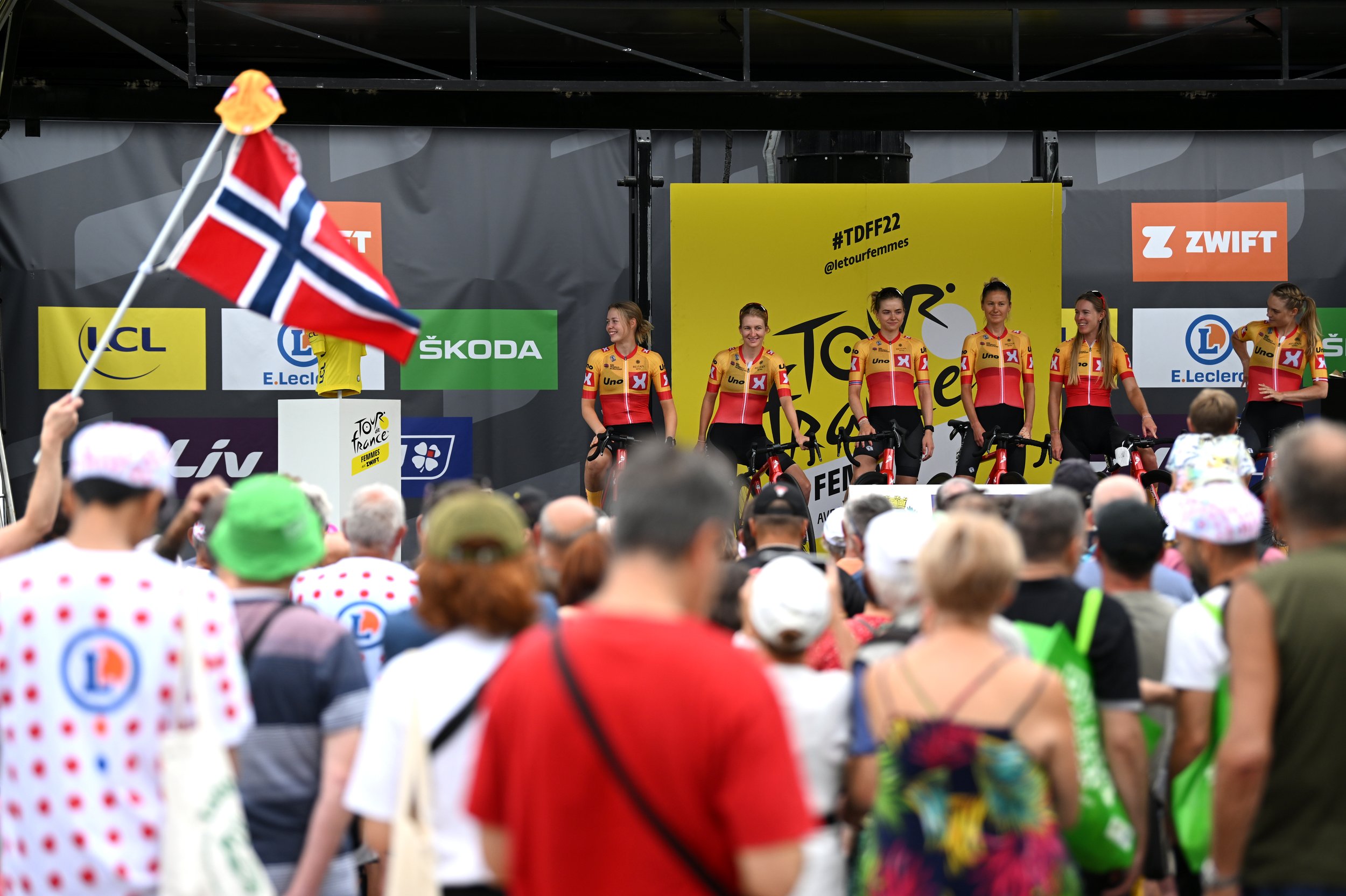
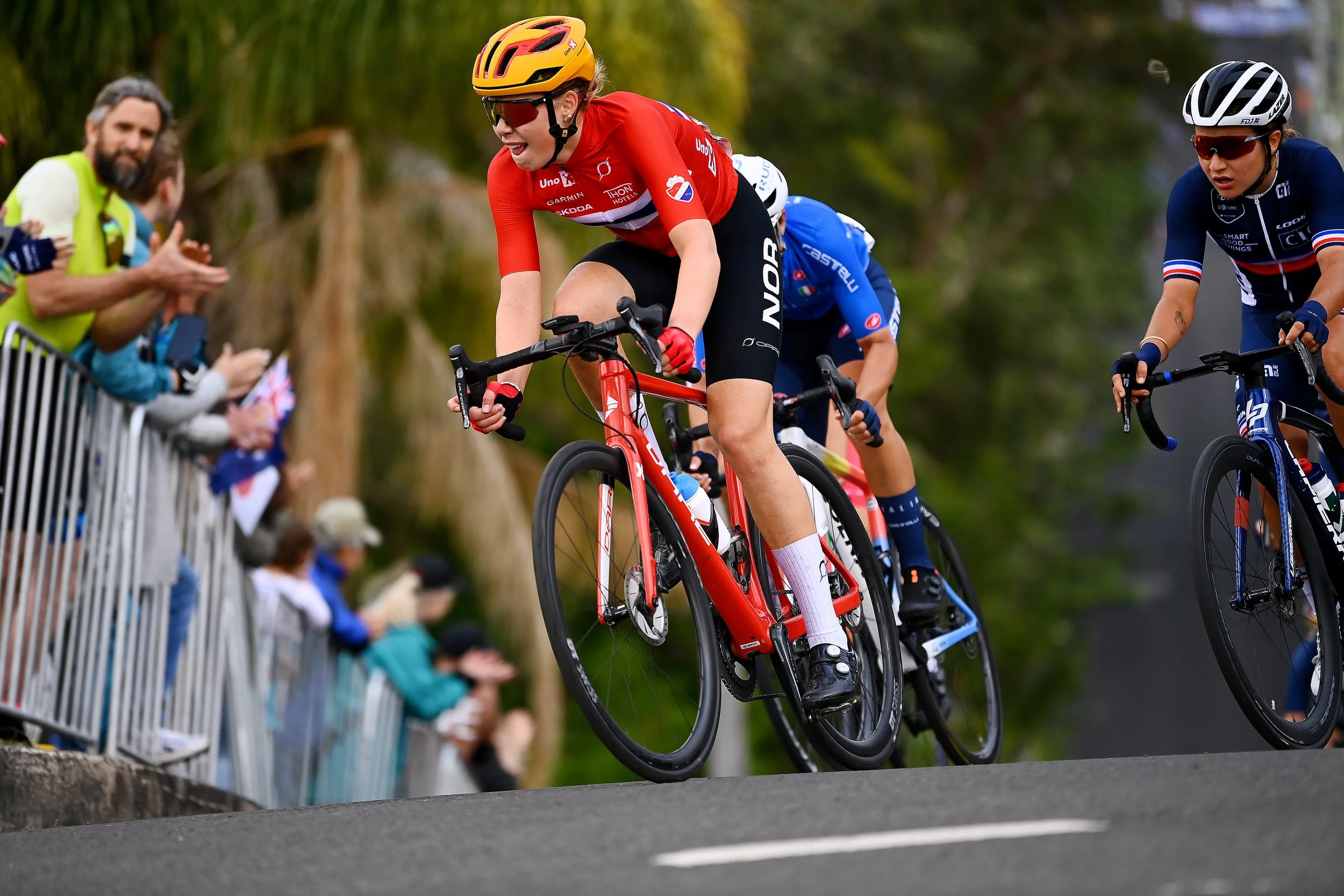
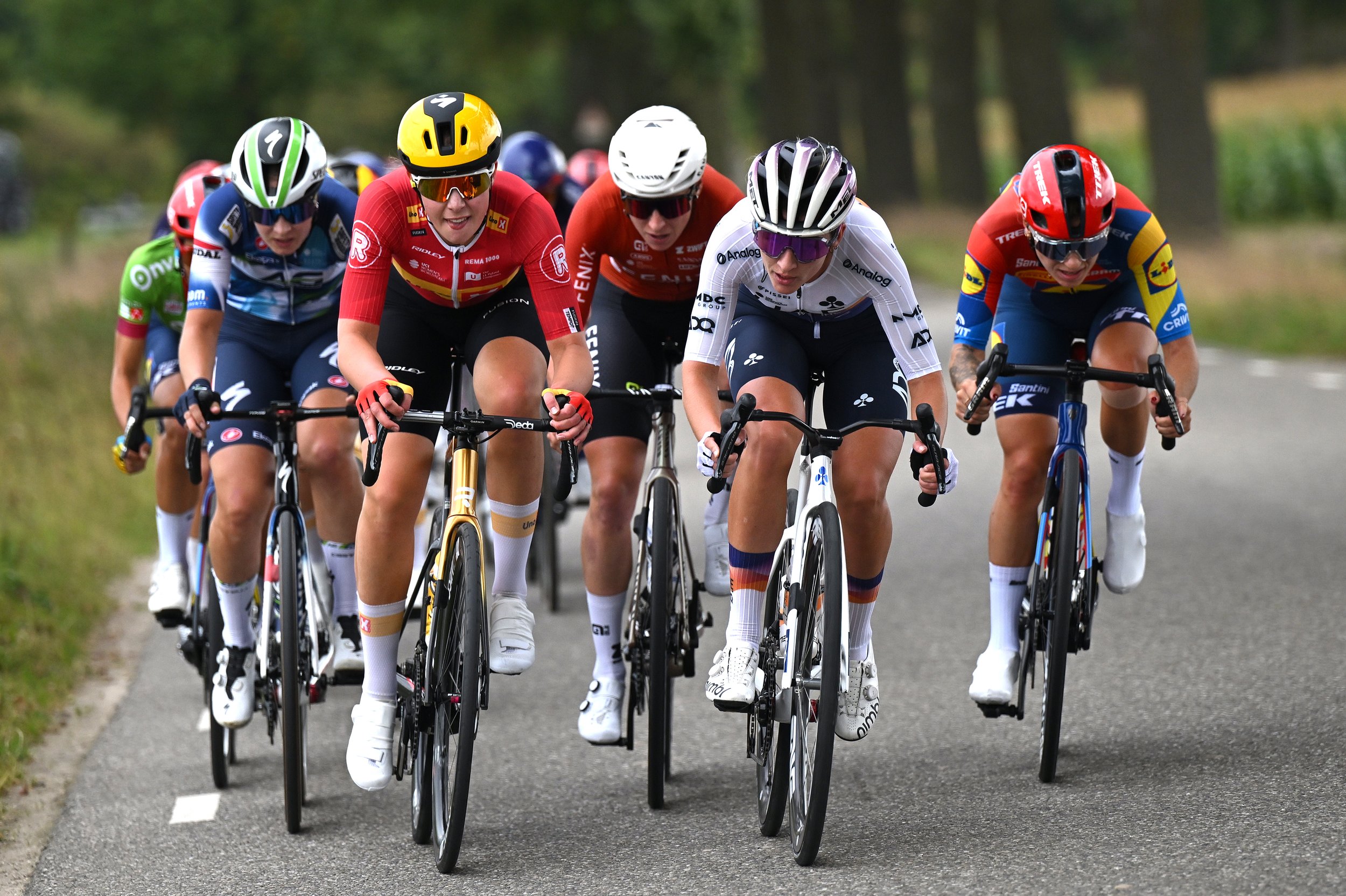
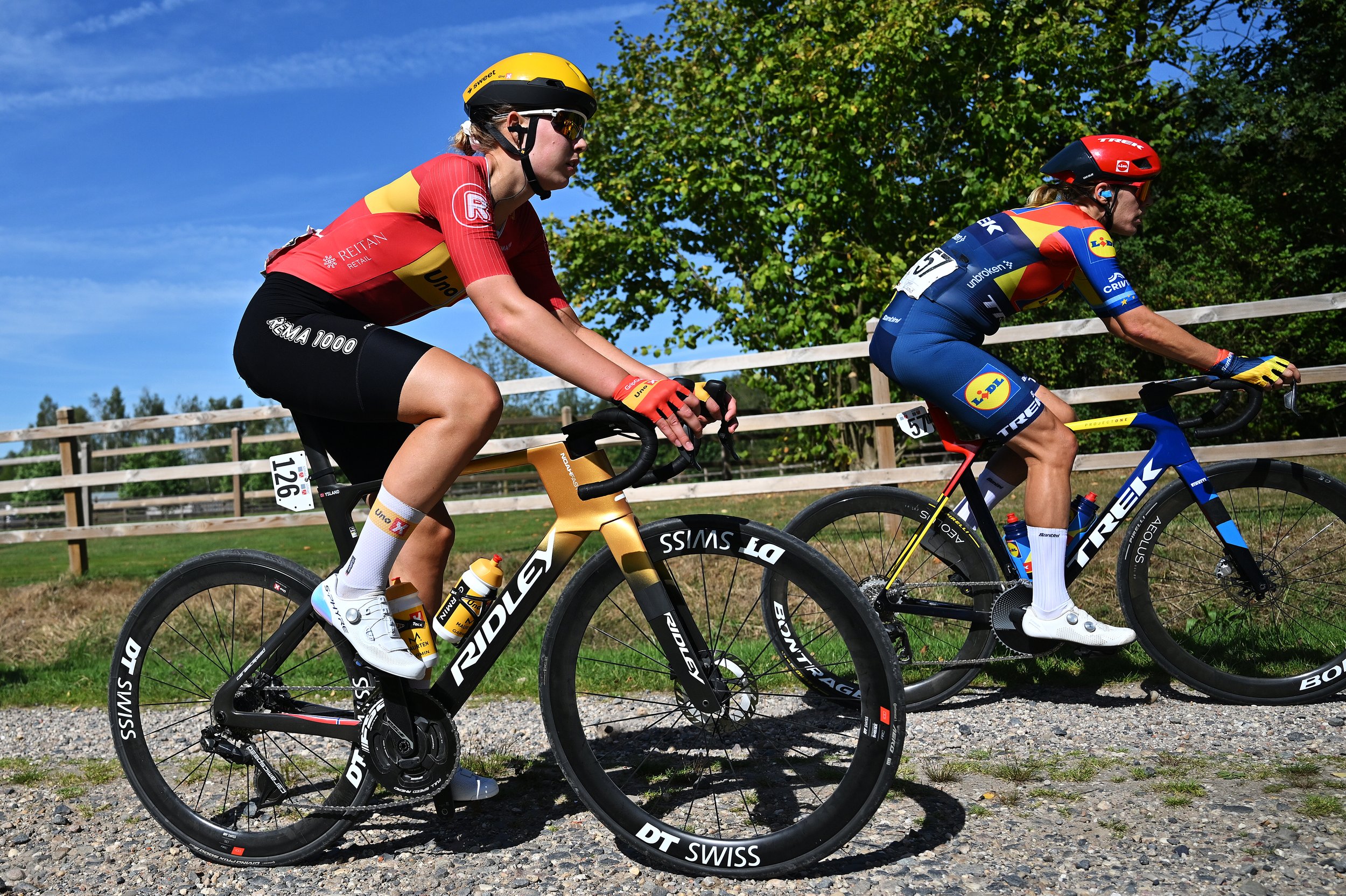
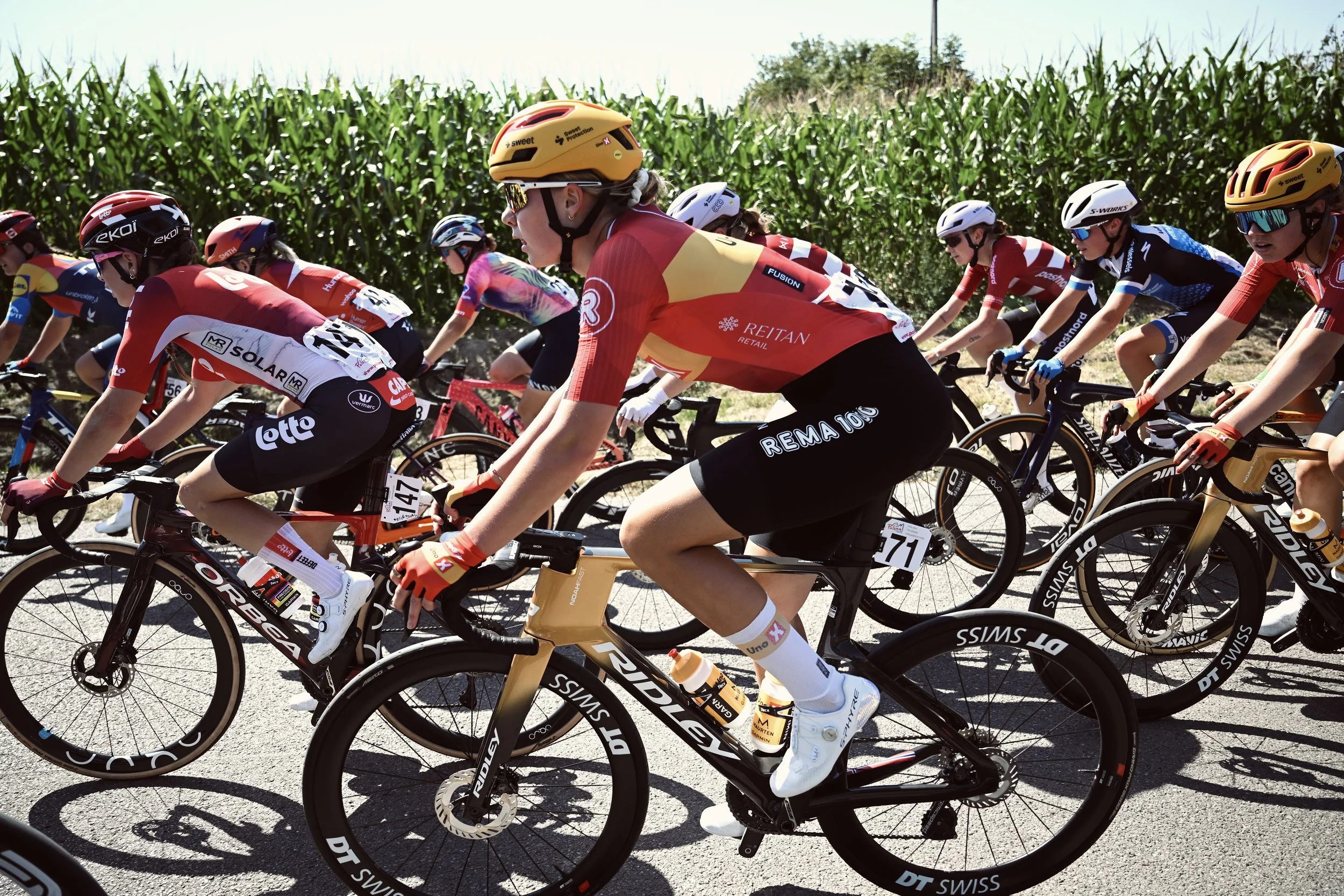
Anne Dorthe Ysland really burst onto the biggest stage in cycling at the start of the 2022 season. It was her first season with Uno-X, and she finished 13th in Omloop Het Nieuwsblad. Ysland remembers thinking: “How is this even possible? I was only in my second year as an elite rider, and I felt like a machine.” The young machine, just 20 years old, continued her strong season by being selected for the Tour de France Femmes squad that summer. There, she experienced her favourite memory from her entire cycling career.
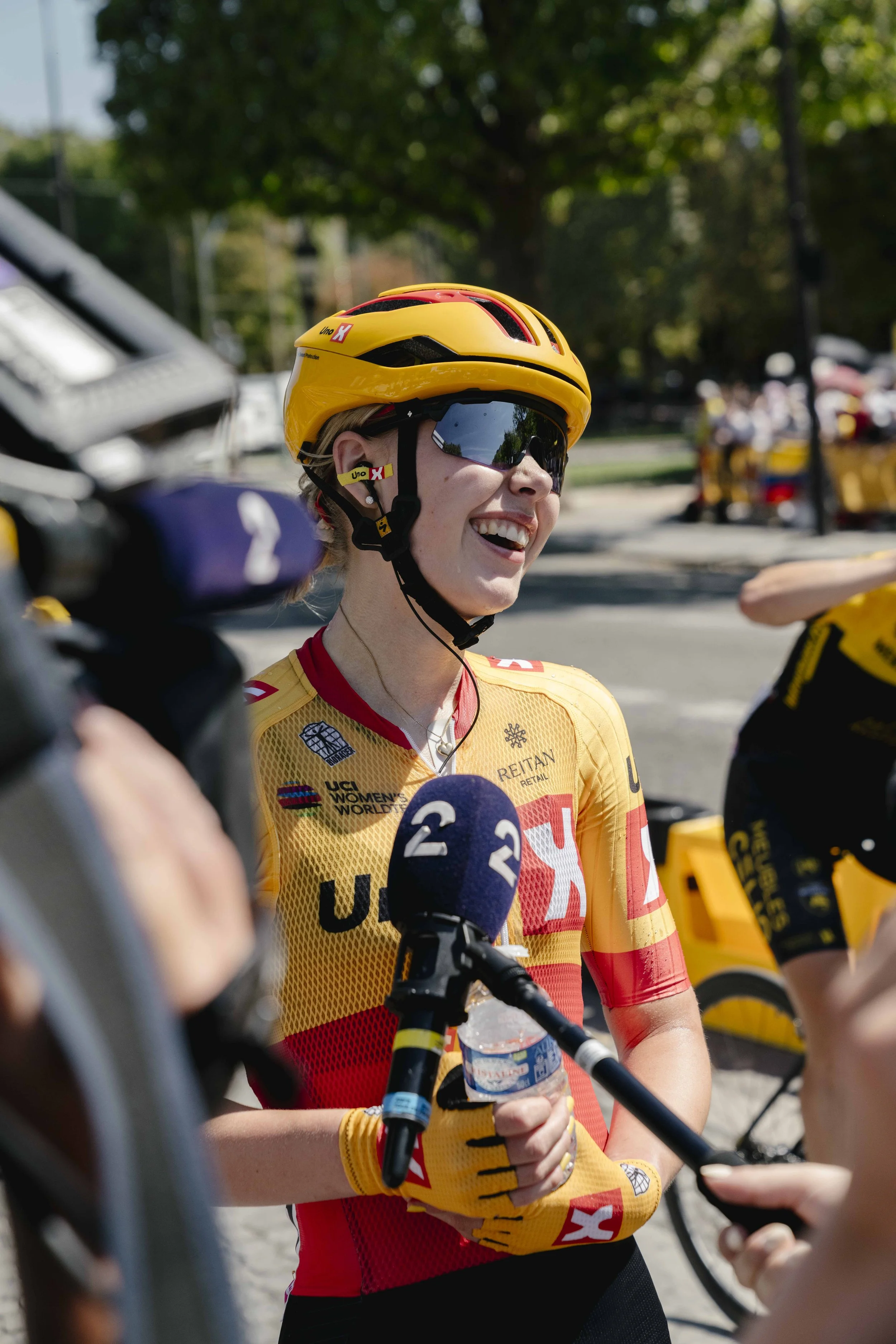
“We rode around the Champs-Élysées on the first stage. I was in the breakaway and fighting for points for the mountains jersey, and there were so many people cheering us on. We were racing just before the men were finishing their three weeks, so it was absolutely packed with Danish fans cheering for Vingegaard. In the middle of all the chaos, I also had my parents, grandparents and my boyfriend cheering for me,” Ysland says.
Thor Hushovd, the team’s General Manager, first got to know Ysland years before he joined Uno-X Mobility Cycling, when Ysland was still a junior rider through Equinor’s talent programme. Even back then, he noticed both her energy and the smile and laughter she brought with her. So when he later heard stories about the kind of rider she had become, it matched the impression he already had. On the women’s side, there was even a saying that rainy weather was “Anne-Dorthe type of weather”. One particular story, which he later heard and still remembers well, has stayed with him:
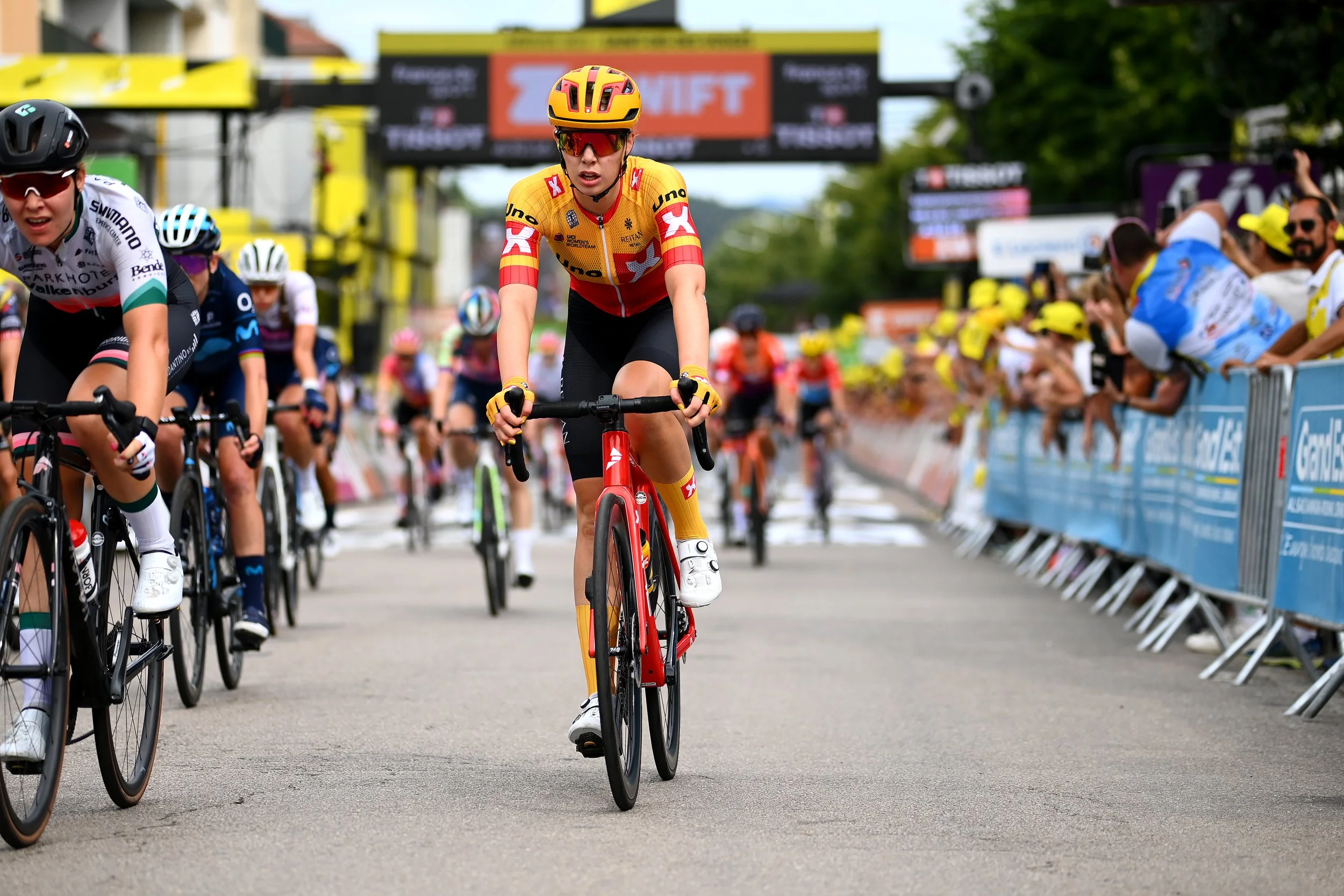
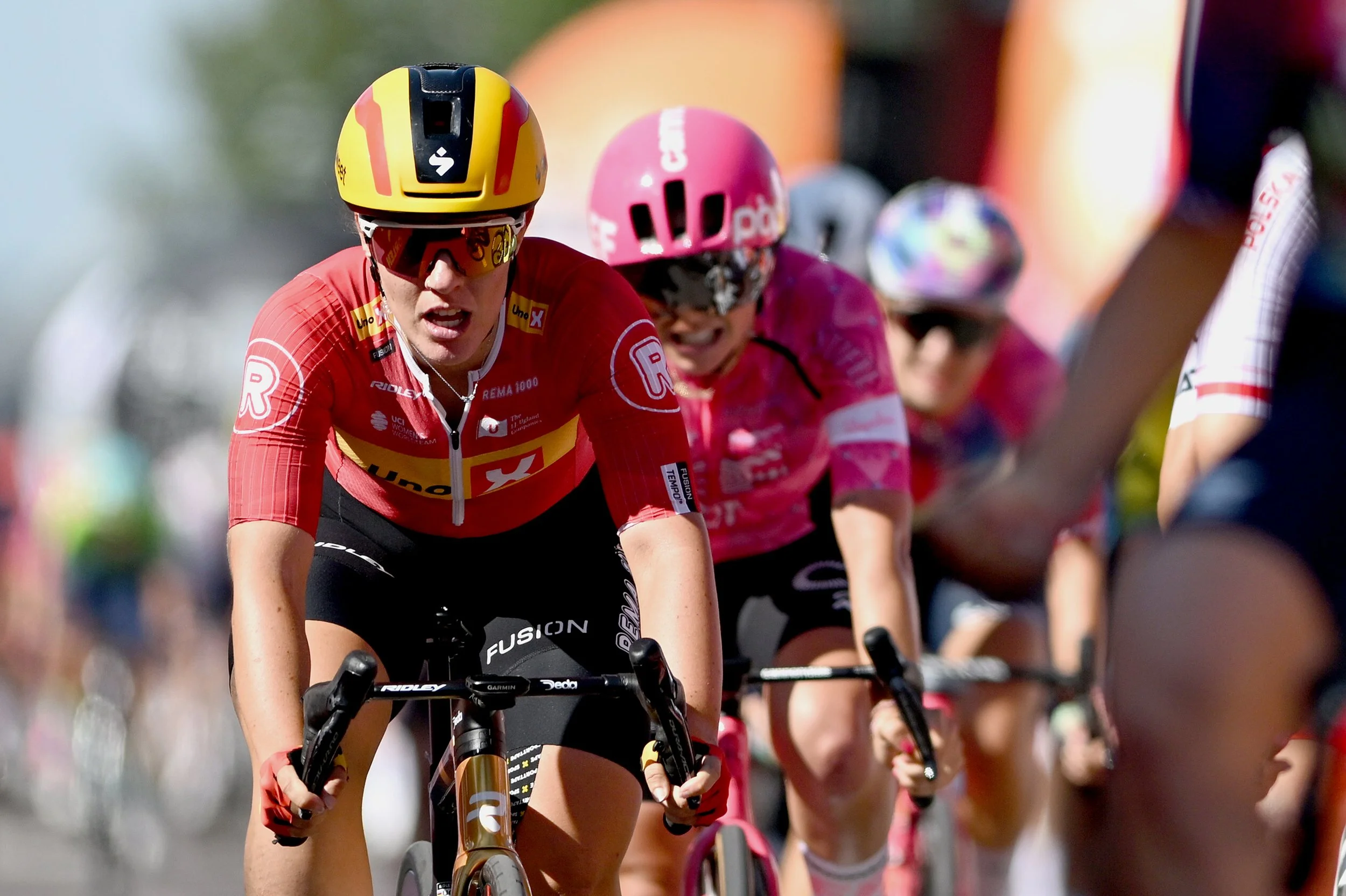
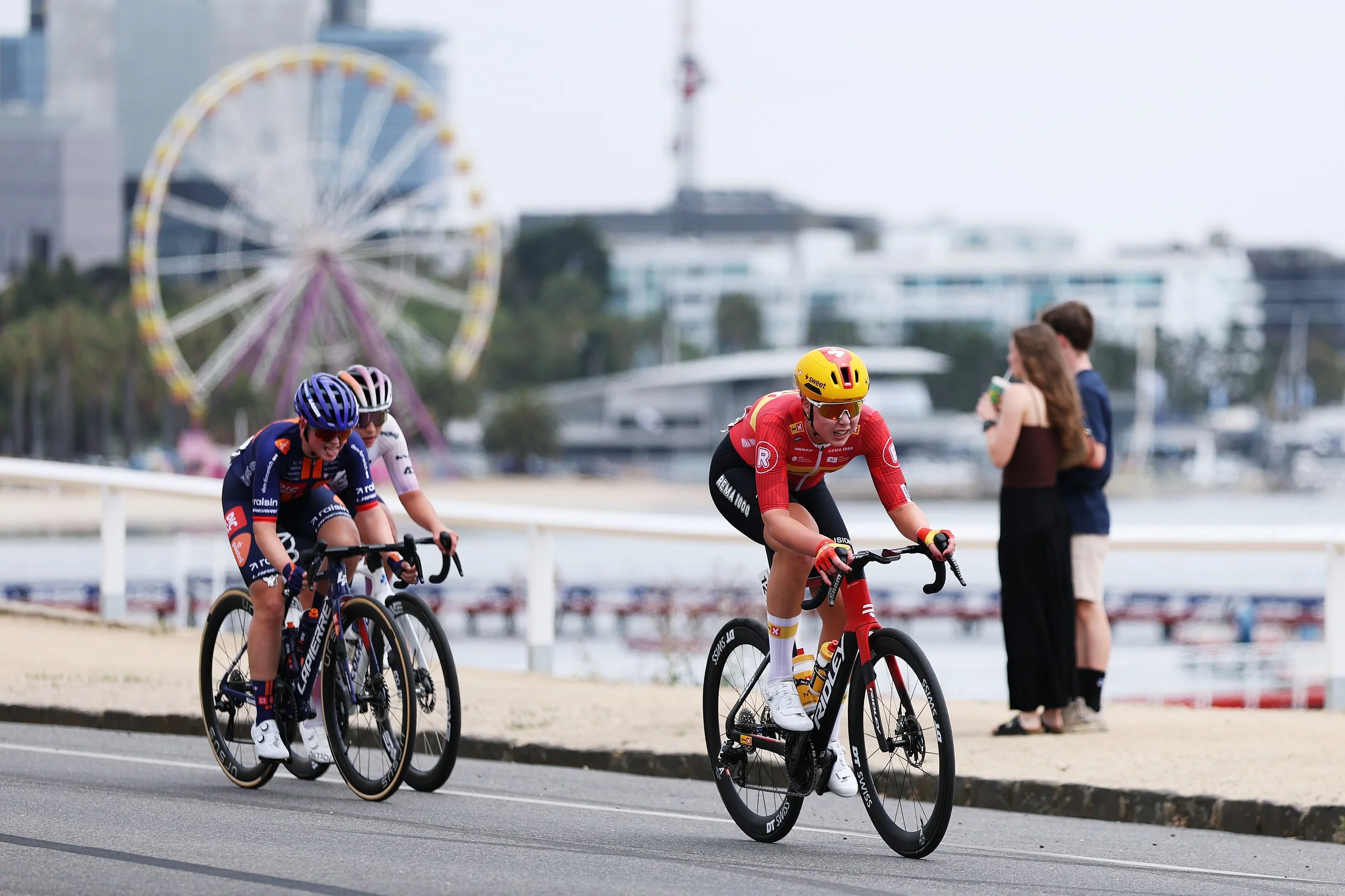
“During the Women’s Tour in Britain in 2022, the weather on the first stage was terrible. Our team, like all the others, was questioning whether it was safe to sprint because of the technical finish. Ysland, though, never had any doubt. She put all that aside and sprinted to 8th place — still her best WorldTour result. For me, that says a lot about the kind of rider Anne Dorthe is,” Hushovd says.
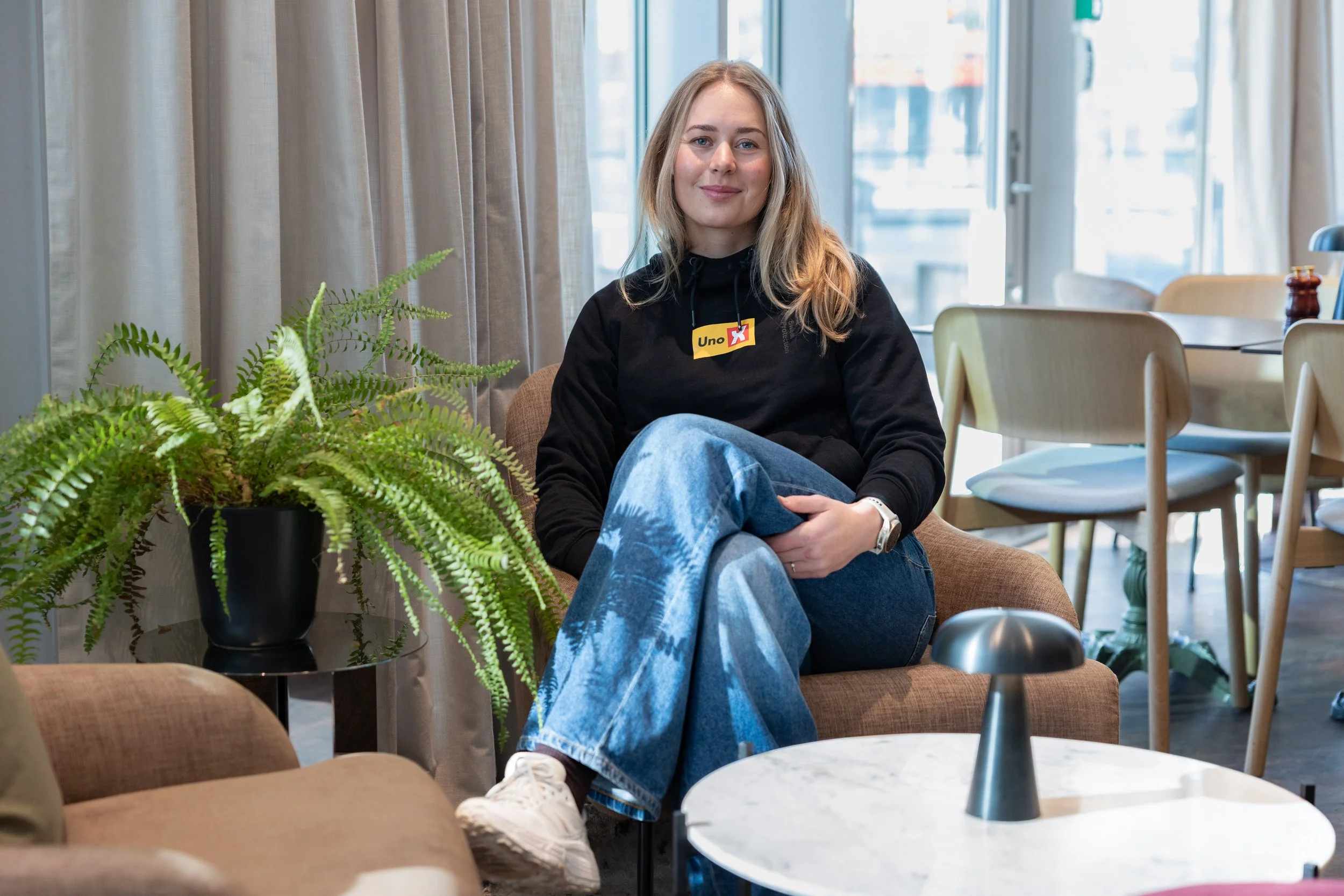
Never became the same rider
It was during the last part of the 2022 season that Ysland started to struggle with what was later diagnosed as ulcerative colitis. She looks back on the period of illness with pride in how she remained positive until the very end. She remembers telling her coach when the problems first appeared that “luckily, the season is soon over, so we can fix this and get ready for the new season”. But when that new season came, she started as normal, only to take a few days off that turned into a break lasting several seasons.
Now, as she steps away from cycling, she wants people to understand why — and also to help make people more aware of the invisible struggles that people, and athletes, may go through.
“Living with my disease is like having an invisible handicap, and I am not going to be able to remove that. Even though I have tried to get back to my best self, to what I performed like in 2022, it is demotivating to see how big a risk it creates for my life outside cycling. By pushing as hard as I have, it has sometimes really put me in a worse place than I want to be in. I know it is quite a taboo thing to talk about, but if my symptoms are at their worst, I can’t go outside without knowing I have a toilet close by” Ysland tells us.
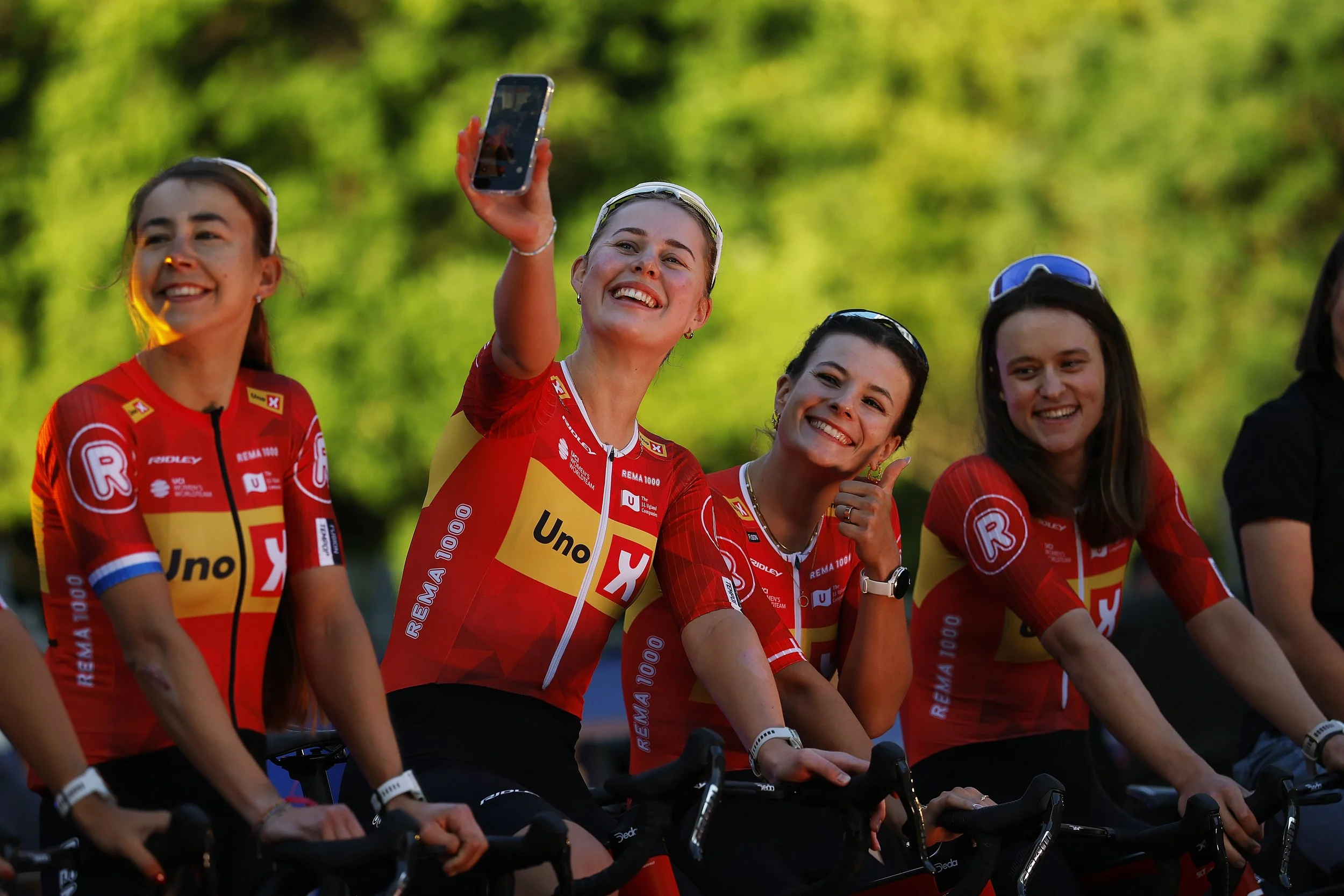
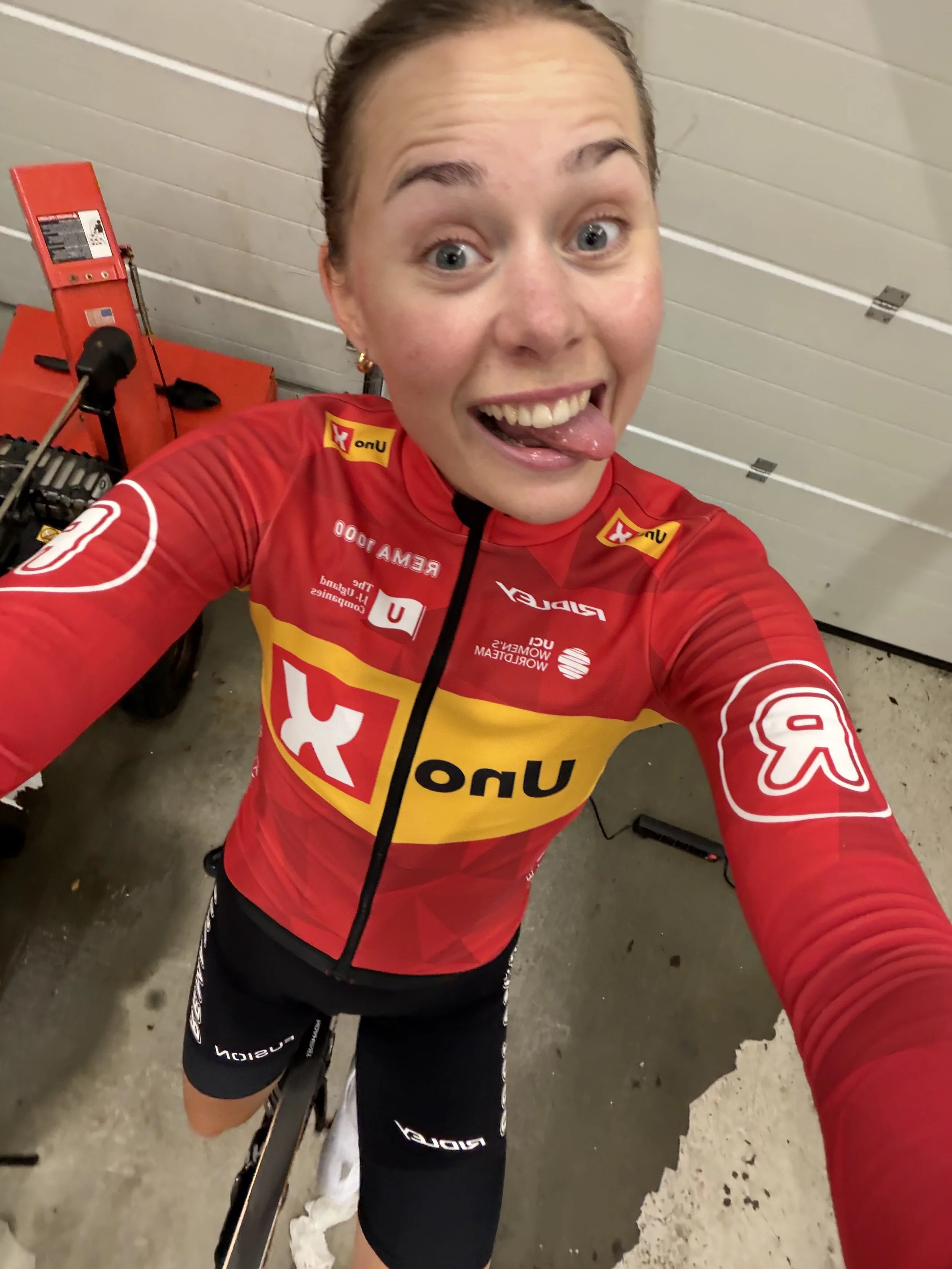
And if anyone ever doubts that Ysland has tried everything to get back, we can stop them right there.
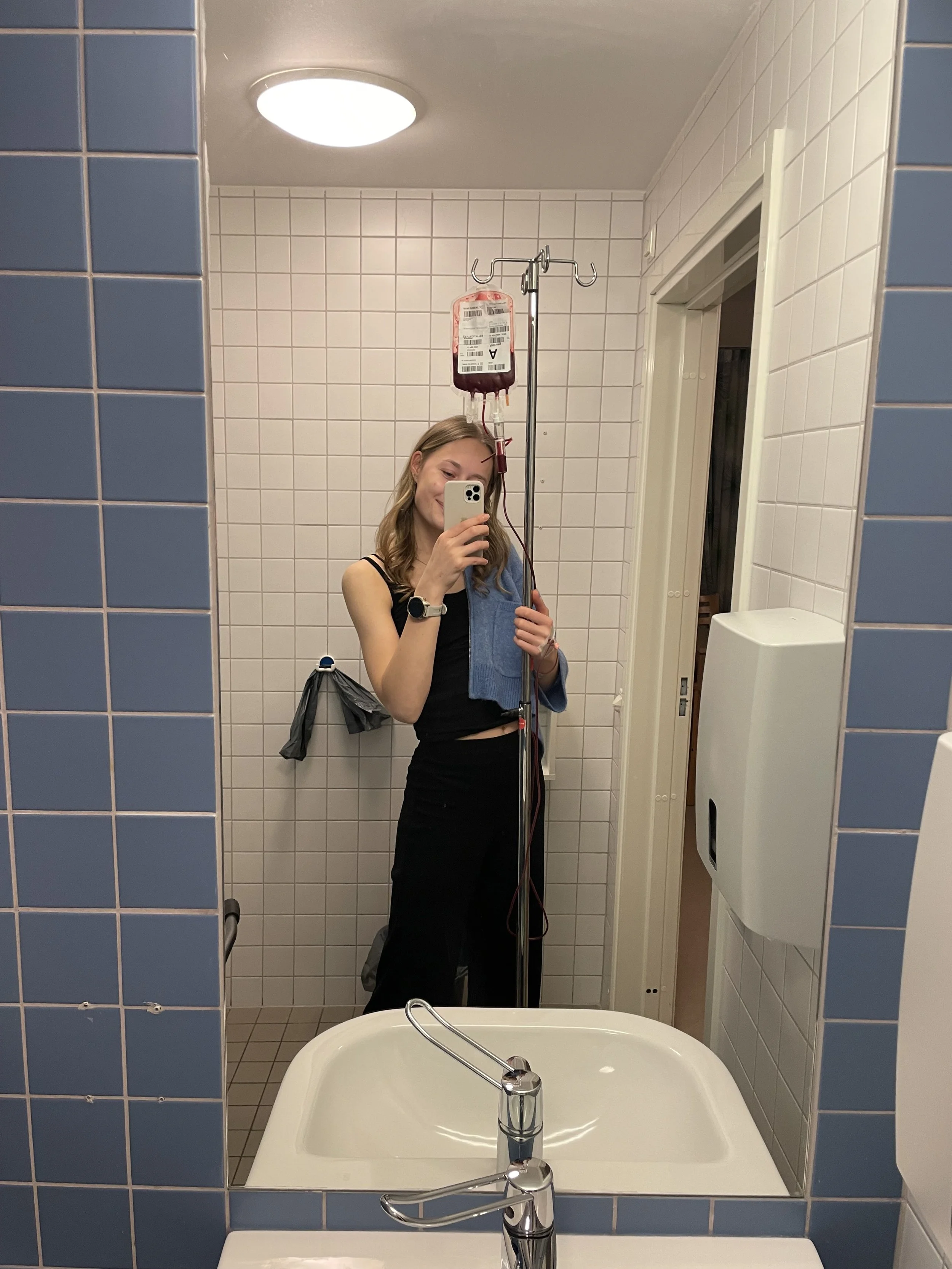
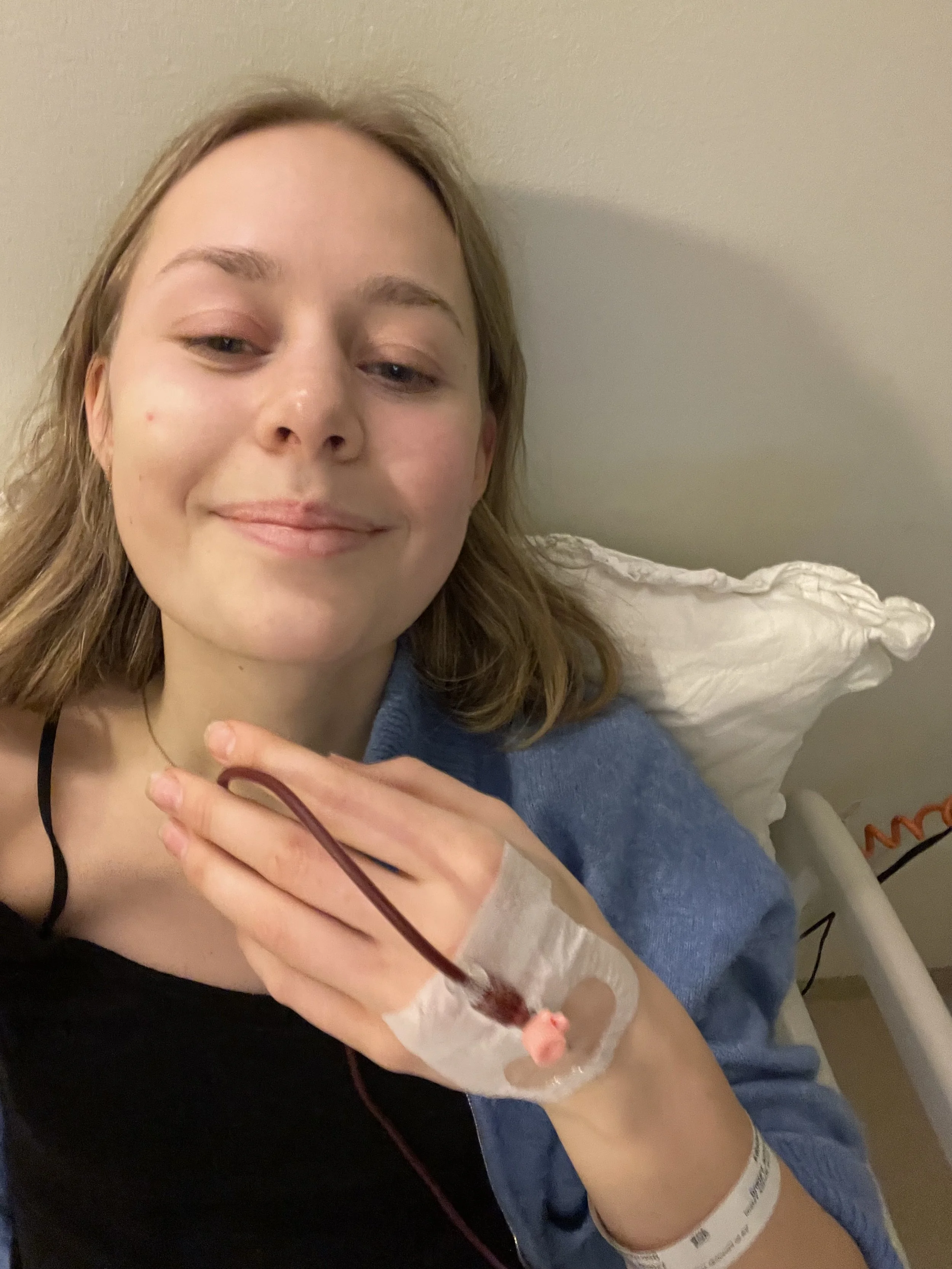
“I didn’t want to start biological treatment, as I would need to be on it for life. Therefore, I tried every other local treatment there was. I was even so desperate that I fasted for two weeks to give my bowel some rest and stop the bleeding. In the end, I only got worse, and I was admitted to hospital because my blood values were low. I was diagnosed with anaemia, and then I understood that I had to get biological treatment — because by then I had been diagnosed with the chronic illness ulcerative colitis” Ysland finishes with a brave smile.
Image credits: Getty Images, Wordup, Ysland, Uno-X
For more information, contact:
Henning Askjer Lefsaker, Head of Communications.