
Turning heat into data with CORE
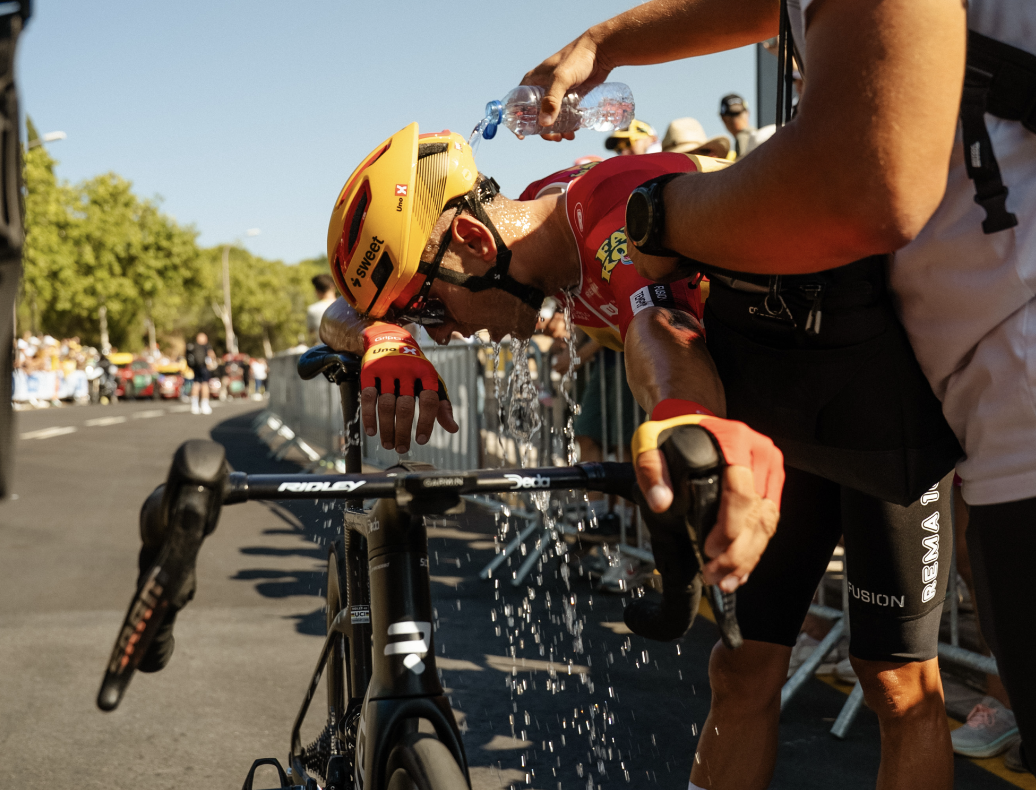
Tobias cooling down after the finish.
When racing gets hot, performance is not only about watts in the pedals. It is also about how well the body handles the heat those watts create.
That is why Uno-X Mobility Cycling uses CORE as part of its performance work. CORE is a small sensor that gives the team insight into how each rider responds to heat — in training, during heat protocols and when preparing for races where temperature can become a decisive factor.
“Like a power meter, heart rate monitor or lactate measurement, CORE helps us understand the body better,” says Olav Aleksander Bu, Head of Performance at Uno-X Mobility Cycling.
For Bu, the value is about making heat easier to understand, easier to train and easier to act on.
“With more awareness, riders can make better strategic decisions around temperature — when to hold back a little, and when they can push harder,” he says.
For Uno-X Mobility, CORE turns heat from something invisible into something the team can measure, train and use in decision-making.
Because when racing gets hot, performance is not only about producing watts. It is also about handling the heat those watts create — and still having something left when the race is decided.
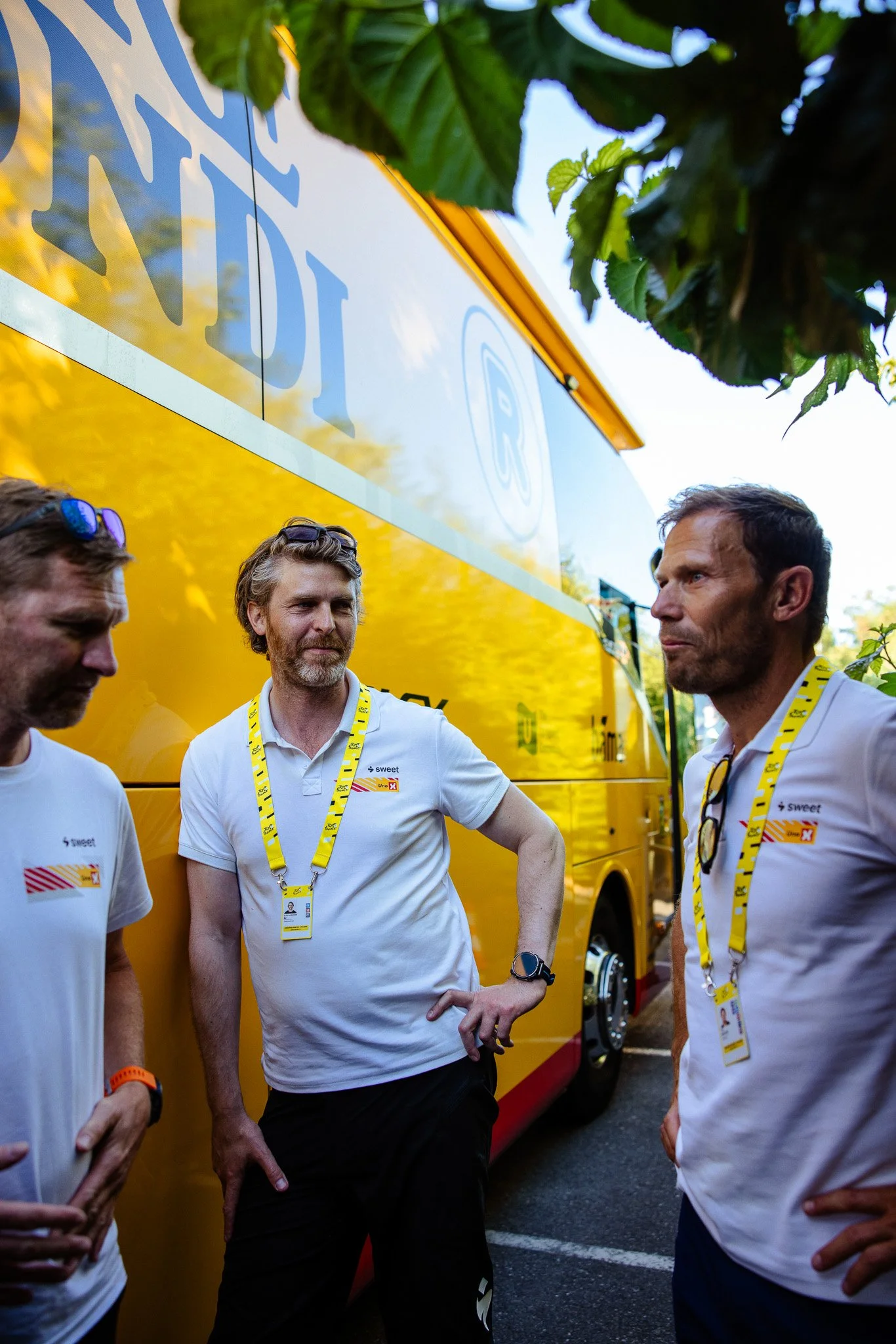
Olav Aleksander Bu, Head Coach at Uno-X Mobility Cycling.
When watts become heat
In cycling, watts usually mean one thing: the power a rider puts into the pedals.
But the body is not a perfectly efficient engine. A relatively small part of the energy becomes mechanical power that moves the bike forward. A much larger part becomes heat inside the body.
“For every calorie the human body burns, roughly 20 percent becomes mechanical watts, creating forward motion. Around 80 percent goes to other processes — especially heat,” Bu explains.
For elite athletes pushing 300 to 400 watts on the bike, that can mean producing 1500 to 2000 watts of heat. In simple terms: almost like having a heater on full power inside the body.
That is the heat CORE helps make visible. The sensor estimates core body temperature indirectly by combining skin temperature with heat flux — a measure of how much heat is moving from the body towards the skin and out to the environment.
“CORE measures heat flux, or thermal watts, together with the temperature of the skin. When you combine those two, you can estimate the body’s core temperature quite accurately,” Bu says.
If the rider cannot get rid of heat efficiently, performance starts to drop. Heart rate rises, the effort feels harder, and the body may eventually force the rider to reduce the power on the bike.
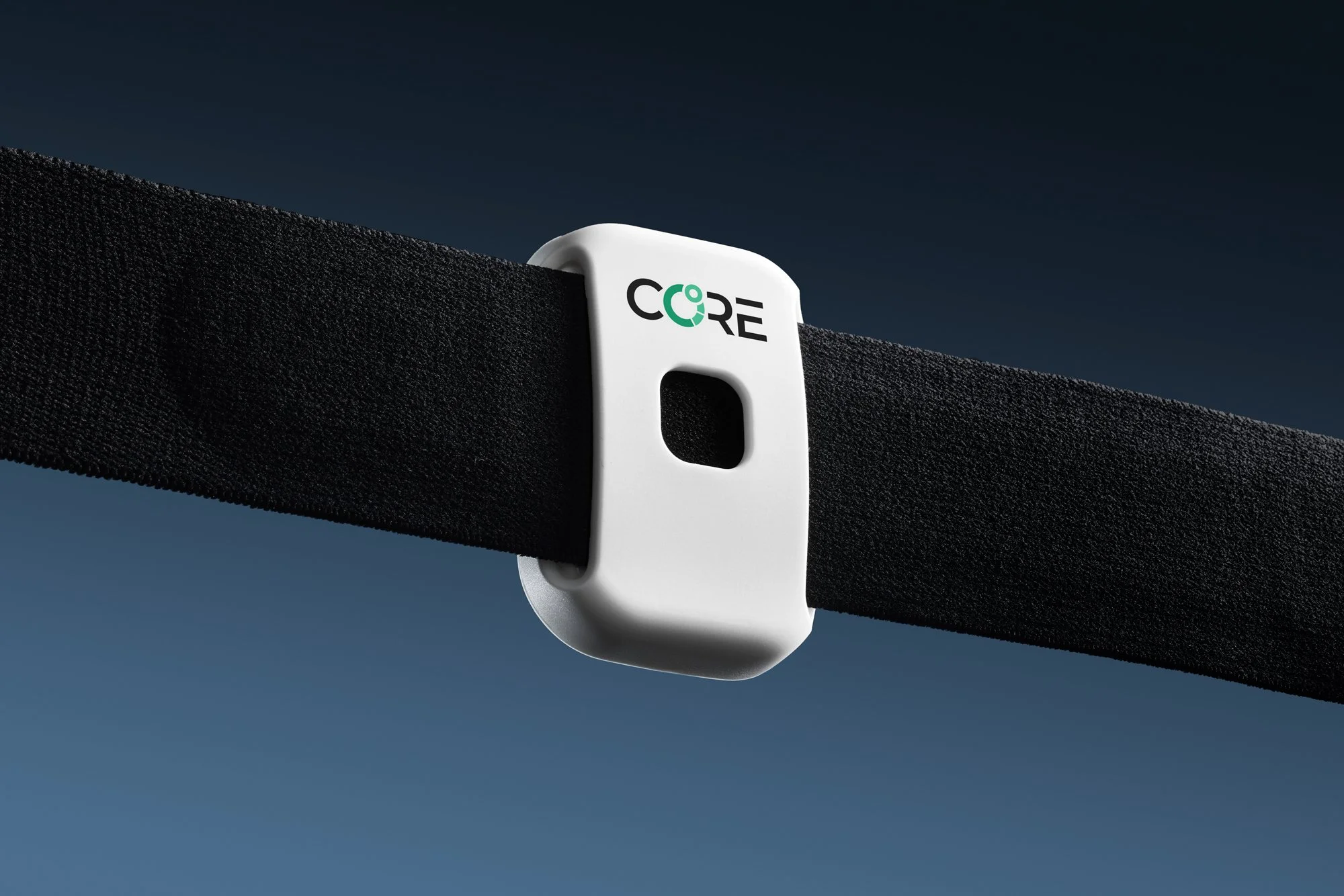
This is Core — the small sensor helping us monitor body temperature.
Preparing for the heat
A big part of the work happens before race day.
Heat training is not about making riders suffer in hot conditions just for the sake of it. It is about controlled exposure before competition, so the body can adapt and become better at handling heat when it matters.
“How athletes tolerate heat is individual. Some riders can have a major performance drop in hot conditions — we have measured drops of more than 40 percent,” Bu says.
“With a good heat protocol, we can bring performance much closer to what we would expect in normal conditions already after seven to ten days.”
That means the rider may still be racing in hot conditions, but the body is better prepared for it. The goal is to reduce the performance loss that can come when core temperature rises and the body has to spend more energy on cooling itself.
CORE helps the team control that process.
“CORE and core temperature are important because they help us make sure the riders increase heat stress progressively. It gives us a good picture of how the body responds,” Bu says.
Too little heat stress may not create the adaptation the team wants. Too much can become unsafe or reduce the quality of training. The value is in knowing where each rider is — and how the body reacts over time.
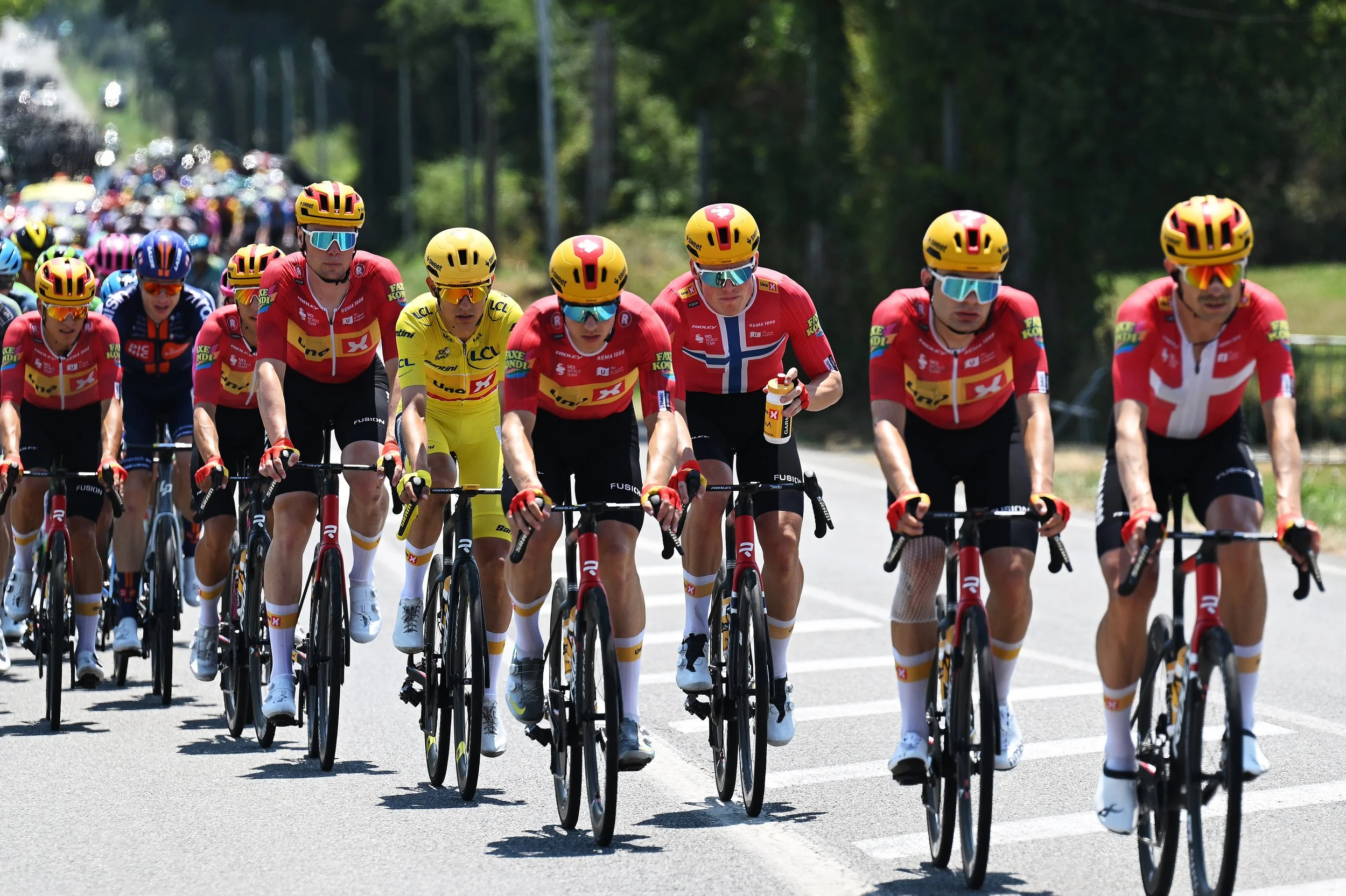
Several stages in this year’s Tour have been raced with average temperatures above 30°C.
From data to race-day decisions
CORE is not only useful when planning training. It can also help shape practical decisions around racing.
If a rider is getting too hot, the response can be simple: adjust pacing, focus more on hydration, use cooling strategies or pour water over the body to help move heat away from the skin.
“When temperature increases, it becomes even more important to stay well hydrated and to use cooling strategies,” Bu says.
“Pouring water over the body increases evaporation, in a similar way to sweat. That increases heat transport away from the body.”
In other words: when a rider is hot, being wet can help.
Those choices can matter on long climbs, in humid conditions or during hard finales where the body is already close to its limit. The point is not to replace the rider’s feeling. The point is to understand it better.
For Uno-X Mobility, CORE gives heat a language. It helps the team see how each rider responds, prepare them better before hot races and make smarter choices when the temperature becomes part of the battle.
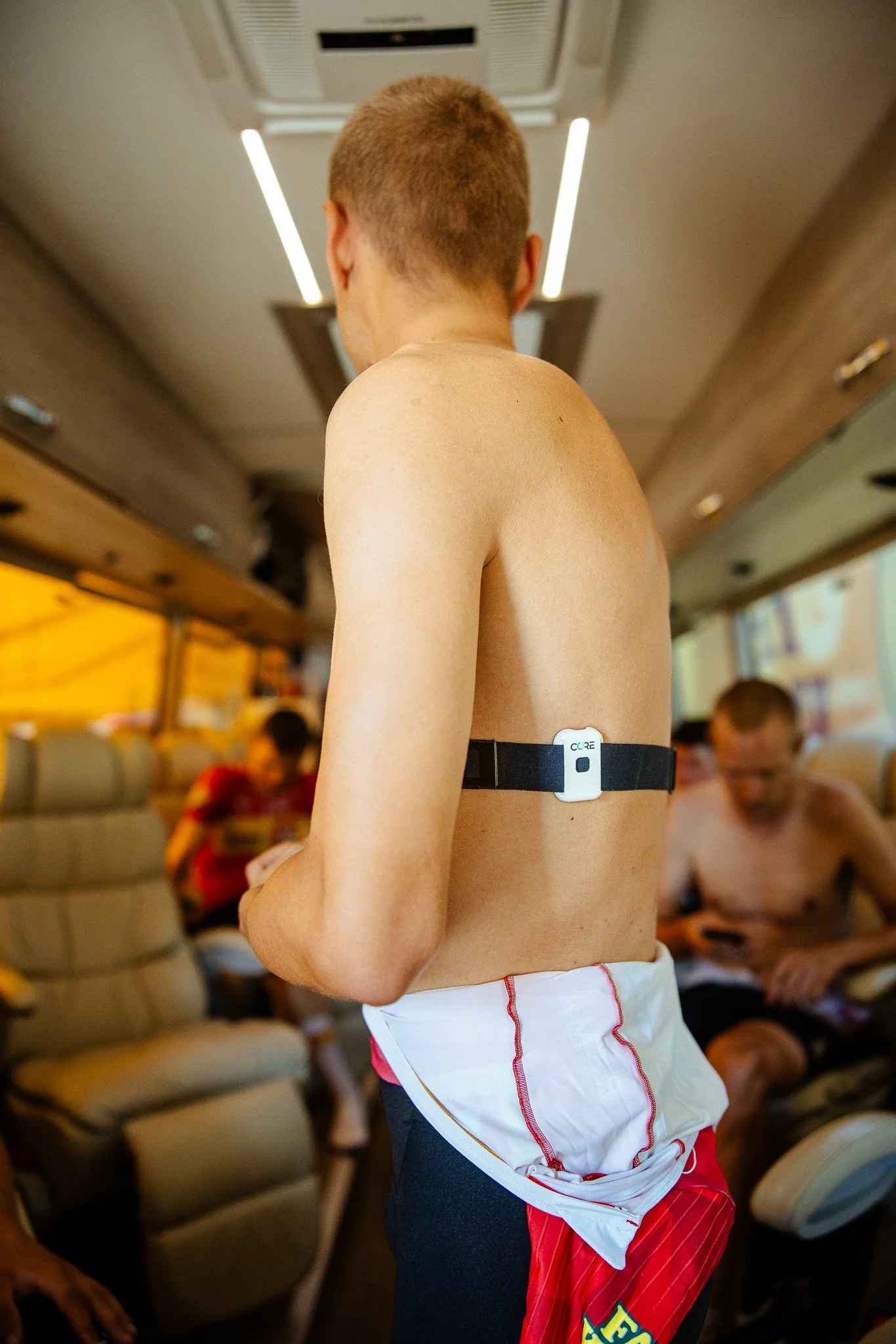
The Core device attaches to the body with a heart rate belt.
For more information, contact:
Henning Askjer Lefsaker, Head of Communications.